Song Meaning
The lyrics paint a stark picture of internal decay, contrasting haunted nights with lost halcyon days. The narrator feels consumed by a voice, leading them to embrace a self-described heresy and a chilling "stark emptiness" beneath the surface. This descent is framed by a perceived leadership role, which is met with pity from another, highlighting a profound disconnect in their understanding of the narrator's state. The initial lines establish a mood of sleepless torment and a willing surrender to a destructive path.
The central tension arises from the narrator's embrace of despair and death, which they see as a form of twisted strength or conviction. While another clings to "pleasant hope," the narrator actively "ruin[s] the obstacles into despair," even praising death. This is not a passive suffering but an active, almost zealous, pursuit of ruin. The memory of "lost love" in a "holocaust scene" adds a layer of trauma that seems to fuel this destructive conviction.
The most striking craft element is the paradoxical state of "choking, yet flourishing" in the shadow of a "Master." This suggests a complex relationship where subjugation and growth are intertwined, a dependency that is both suffocating and vital. The narrator's "delusion made me stronger" further complicates this, implying that their perceived strength is built on a foundation of unreality, even as their body succumbs to "pale withering flesh."
Ultimately, these lyrics resonate through their unflinching depiction of self-destruction as a chosen path. The narrator's willingness to sacrifice everything and leave their "woes beneath the mire" creates a powerful, albeit bleak, narrative of surrender. The contrast between internal conviction and external perception, coupled with the paradoxical flourishing within decay, leaves a lingering sense of disquiet and a profound exploration of a mind actively choosing its own demise.
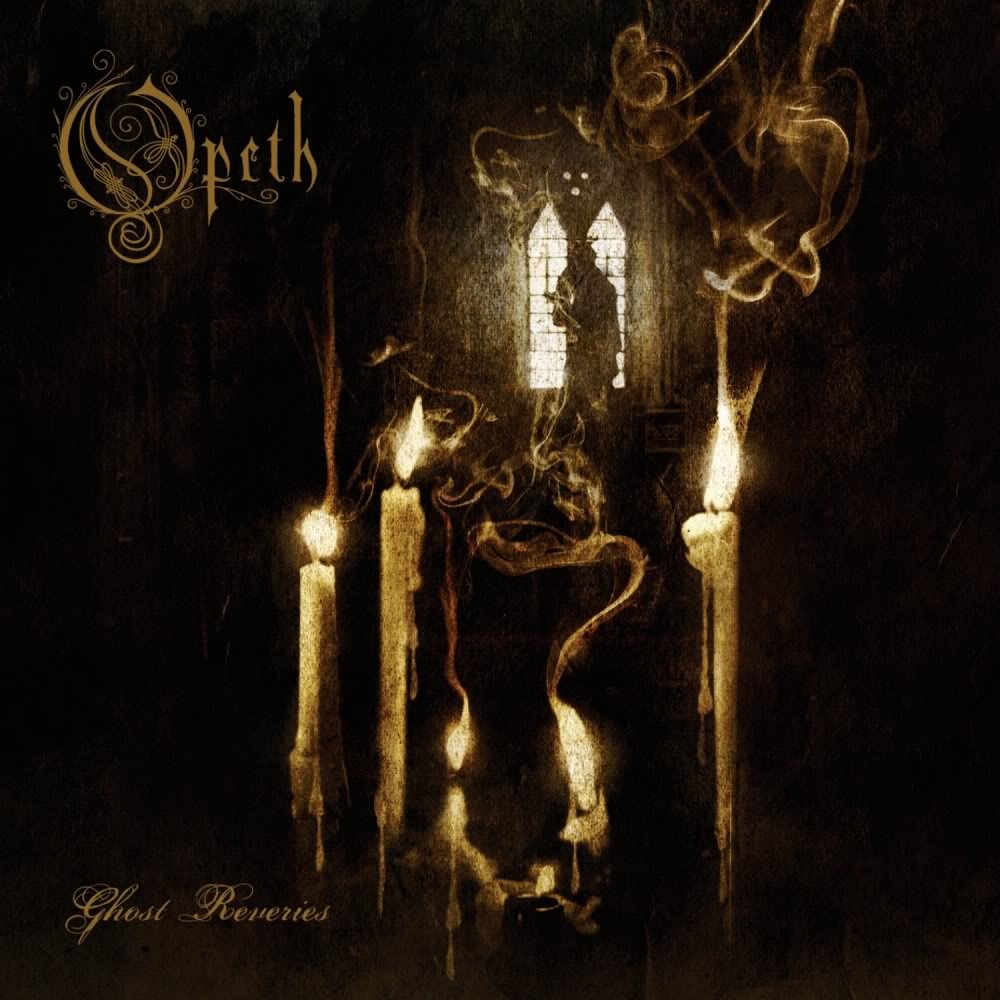
 View Artist