Song Meaning
The lyrics paint a stark picture of a narrator grappling with their own mortality. They confess, "Tief in mir / Ruht die Sterblichkeit" (Deep within me / Lies mortality), immediately establishing a sense of internal struggle against the inevitable. This vulnerability is met with a plea for divine intervention, asking for "Deine Herrlichkeit" (Your glory) and later "Deine Seligkeit" (Your bliss), suggesting a desire for something transcendent to overcome this inherent finitude.
The central tension lies in the narrator's desperate yearning for permanence against the backdrop of their perceived end. The repeated assertion, "Ich werde nie verblühen / Ich werde nie vergehen / Ich werde nie verglühen / Ich werde nie verwehen" (I will never fade / I will never pass away / I will never burn out / I will never blow away), acts as a powerful incantation. This defiant declaration is directly tied to the request for "den Atem der Ewigkeit" (the breath of eternity), positioning eternal life as the antidote to decay and oblivion.
The most striking element is the cyclical structure and the powerful negation used throughout the chorus. The relentless repetition of "Ich werde nie..." (I will never...) emphasizes the intensity of the desire to escape the natural order of life and death. The parenthetical "Gib mir den Atem" (Give me the breath) acts as a constant, almost desperate refrain, grounding the grand pronouncements of immortality in a direct, urgent request for the divine essence that will grant it.
This lyrical construction is effective because it mirrors the internal monologue of someone facing their own limitations. The stark contrast between the internal confession of mortality and the external, almost desperate, pronouncements of eternal life creates a palpable sense of yearning. The repetition of the negations and the plea for breath hammers home the raw, emotional need for an escape from the finite, making the desire for "Atem der Ewigkeit" feel deeply personal and urgent.
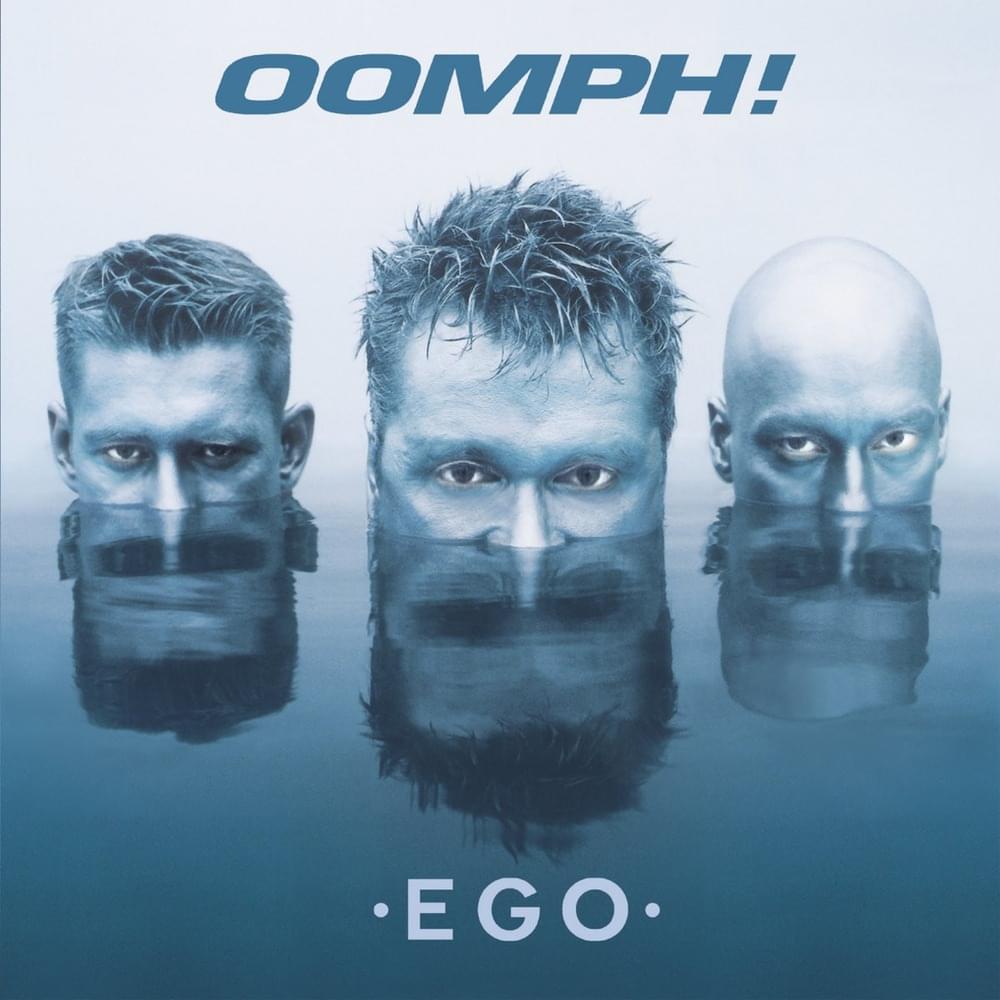
 View Artist