Song Meaning
The lyrics paint a stark picture of cyclical despair and resignation. The opening lines immediately establish a sense of being trapped, unable to "turn around" while simultaneously "stepping through an open door" that leads nowhere new. This paradox highlights a feeling of forced progression into a familiar, bleak landscape, underscored by the repeated, almost mantra-like, "You know you've been here before." The dominant emotional tone is one of weary apathy, a profound boredom that has become a constant companion.
The central tension lies in the narrator's complete lack of hope for improvement, coupled with a strange, almost masochistic, acceptance of their predicament. Phrases like "I feel bad / I won't try to" and "I don't see a future for me / Where I'm even close to happy" reveal a deep-seated resignation. The narrator has "dug a hole with all of my might" and is now too deep to "see the light," suggesting a self-inflicted but inescapable trap. This isn't a struggle against external forces, but an internal surrender.
The most striking aspect of the writing is its use of bleak, almost mundane, imagery to convey profound emotional stagnation. The "different shades of gray" and the idea of being "just a dog with my bone" are not grand metaphors but rather simple, everyday observations that amplify the feeling of being stuck in a low-level, uninspired existence. The contrast between "survive but I won't live" is particularly potent, articulating a state of being that is functional but devoid of any genuine vitality or joy. The narrator is merely existing, not truly living.
This lyrical approach is effective because it grounds the overwhelming feeling of hopelessness in relatable, unadorned language. There's no melodrama, just a quiet, persistent acknowledgment of a life lived in a perpetual state of "boredom" and "gray." The repetition of "You know you've been here before" acts as a chilling confirmation, suggesting that this feeling isn't a temporary phase but a fundamental, inescapable truth of the narrator's reality. It's the quiet dread of recognizing your own patterns and seeing no escape.
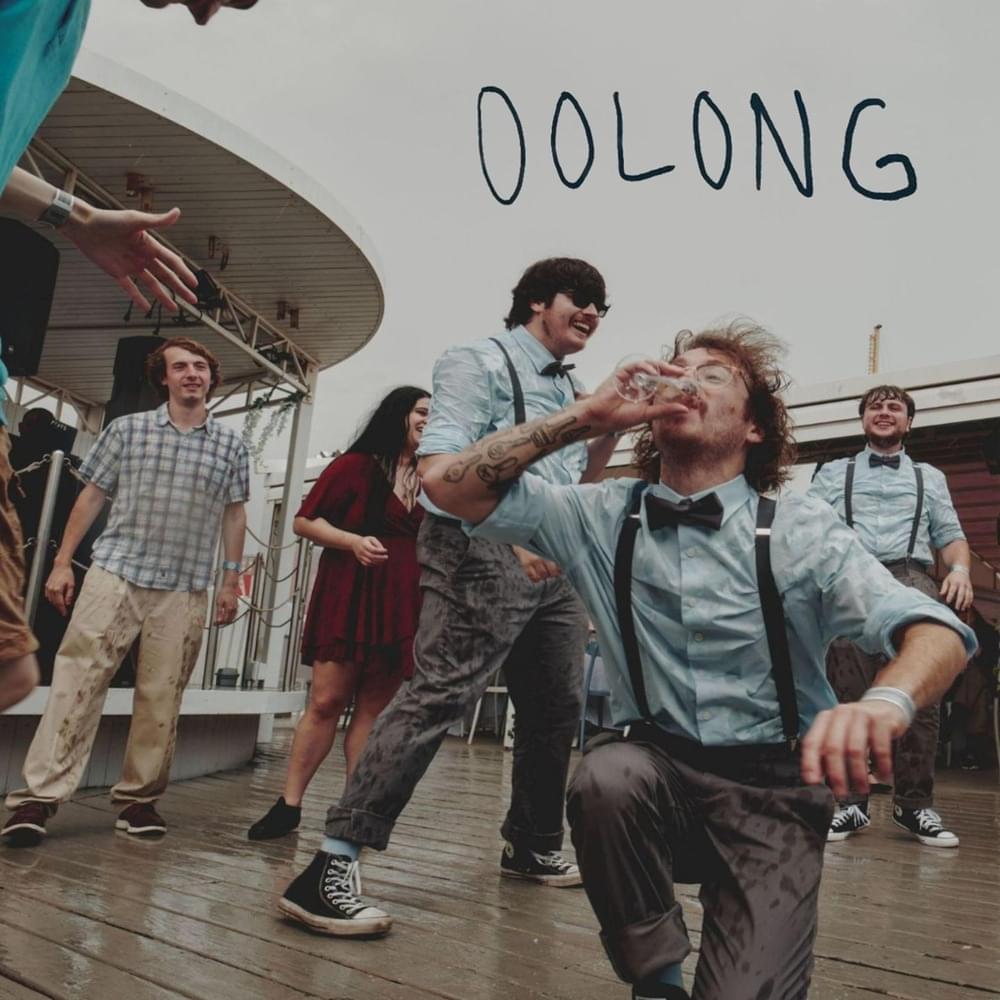
 View Artist