Song Meaning
The narrator is caught in a loop of inaction and self-deception, admitting they don't know if they should leave a situation but also confessing they wouldn't try even if they weren't lying. This sets up a profound sense of stagnation, where the only perceived escape is a morbid wish to "waste away, in my grave."
The core tension lies in the narrator's fractured sense of self and their desperate need for an external savior, even if that savior is an imagined version of themselves. They express a desire to "meet me / And save me / From this place," highlighting a deep internal disconnect and a feeling of being trapped by their own psyche.
The most striking image is the final line: "I feel like I'm my own imaginary friend." This suggests a profound alienation from oneself, where the narrator perceives their own existence as a fabricated entity, perhaps a coping mechanism or a persona they've adopted. The lyrics imply that the "real me" is absent, leaving the current self to "occupy my brain" in a way that feels hollow and isolating, leading to the brink of "insane."
This writing is effective because it taps into a universal feeling of being stuck and disconnected, but grounds it in intensely personal, almost surreal imagery. The contrast between the mundane "I don't know" and the extreme "waste away, in my grave" creates a palpable sense of despair. The final self-identification as an "imaginary friend" is a powerful, unsettling conclusion that resonates with anyone who's felt like a stranger to themselves.
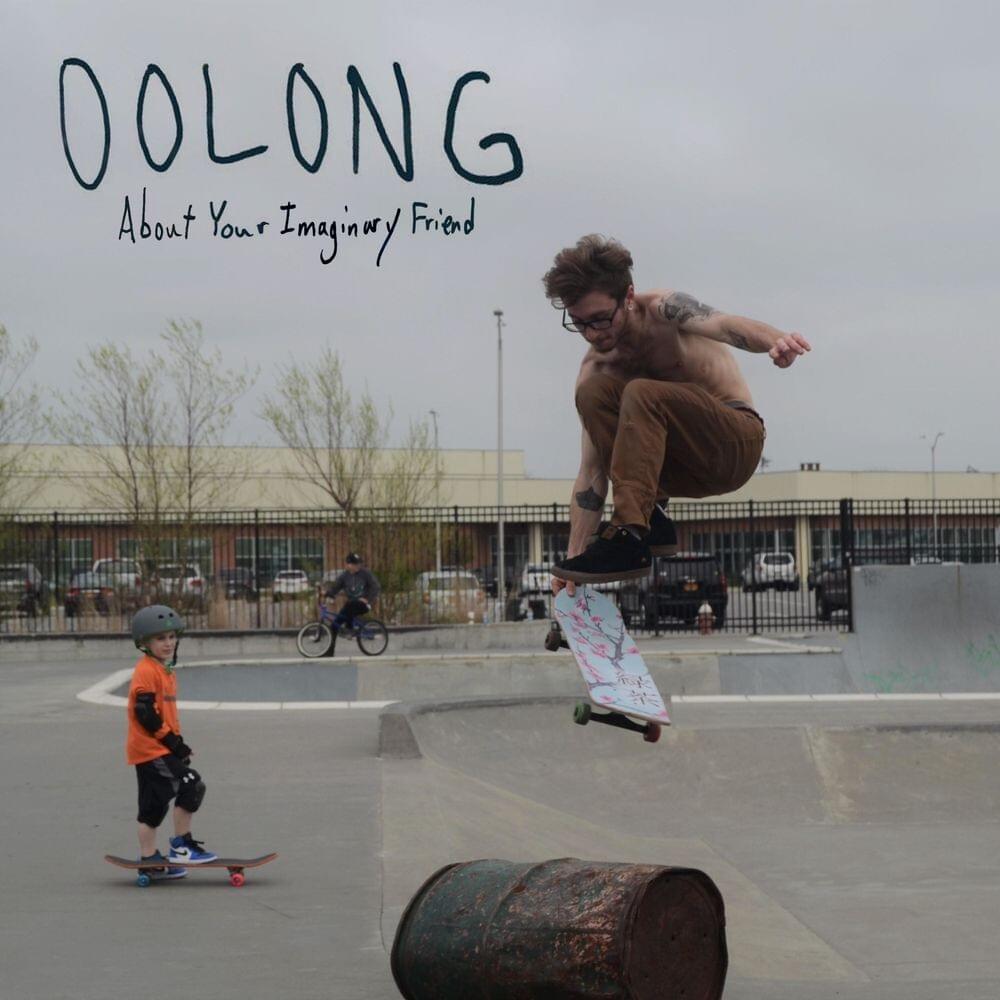
 View Artist