Song Meaning
The opening lines of "Papercut" immediately plunge into a deep yearning for escape. The speaker wishes for memories to be "blown away by the wind" or "carried away by the river." This isn't just a fleeting thought; it's a desperate plea for erasure, for "invisible lines" to vanish. The emotional landscape is one of profound regret and a desire to undo the past.
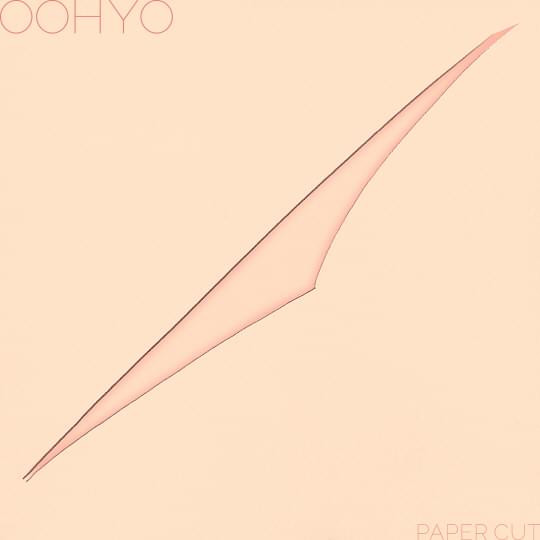
The core tension lies in the stark contrast between the seemingly minor injury of a "papercut" and its devastating impact. The repeated "Papercut you gave me" frames the pain as originating from another, a wound that appears small but has left the speaker "a wreck." This isn't a dramatic, overt betrayal; it's the insidious, persistent sting of something dismissed as trivial, yet it feels like "the end of time." The lyrics suggest a cumulative effect, where small, careless cuts ultimately lead to a profound emotional collapse.
The brilliance here is in the central metaphor. A papercut is universally understood as a minor, annoying injury, easily overlooked. By equating a deep emotional wound to a "papercut," the lyrics highlight how seemingly insignificant actions or "pretty lies" can inflict profound, lasting damage, especially when they come from someone close. The repetition of "Cut" in the chorus amplifies this feeling, turning a simple word into a sharp, percussive reminder of the constant, piercing pain. It's a masterful use of understatement to convey overwhelming hurt.
The lyrics are effective because they tap into the often-unacknowledged pain of subtle hurts. The speaker's initial desire for memories to be "a dream" evolves into a resigned acceptance in the outro: "Nothing left to keep / But it's time to let you go." This arc from desperate longing to quiet resolution resonates deeply. It's a powerful depiction of moving past a wound that, while perhaps invisible to others, has reshaped the speaker's entire world, ultimately leading to a difficult but necessary release.
 View Artist