Song Meaning
The lyrics paint a picture of someone recognizing a familiar, almost primal, energy in another person's voice, cutting through the mundane. There's a palpable desire to escape, to leave the ordinary behind and forge a new path. This initial recognition sets a tone of intense personal connection and a yearning for something more profound.
The core tension seems to revolve around control and destiny. The narrator asserts a god-like power over time and direction, declaring "Time ends when I say" and demanding compliance: "You come to me my way." This contrasts sharply with the later acknowledgment that "This is nothing that was preordained," suggesting a struggle between free will and a predetermined fate, or perhaps a manufactured destiny.
The most striking element is the juxtaposition of raw physicality with absolute control. The narrator states, "We're nothing more than animate flesh," a stark, almost nihilistic view of existence. Yet, this is immediately followed by claims of temporal and directional dominion, implying that even within this limited, physical form, there's a capacity for immense, self-determined power. The phrase "secular fire" also hints at a potent, earthly passion that isn't divinely inspired but intensely real.
This lyrical construction is effective because it grounds grand, almost cosmic, assertions of power in a very human, physical reality. The narrator's desire to "take us away" and their insistence on their own way, despite acknowledging a lack of preordination, creates a compelling portrait of someone wrestling with agency and the desire to impose their will on the world and relationships, finding purpose in that very struggle.
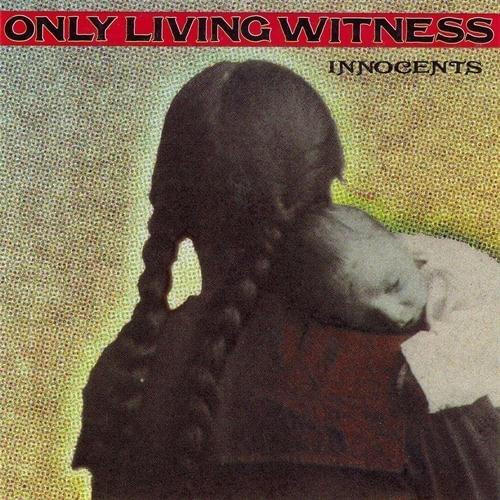
 View Artist