Song Meaning
The lyrics paint a stark picture of disillusionment, where cherished ideals and figures crumble under the weight of reality. The narrator acknowledges a painful truth, that some dreams are destined to fail, often because they are tied to flawed heroes. This sense of loss is amplified by a concern for future generations, questioning who will guide them when the old moral compasses have been corrupted by 'decades of moral decay.'
The central tension arises from the narrator's complex relationship with these 'fallen idols.' While acknowledging their demise and even praying for their eternal rest, there's a chilling recognition that their 'skeletal remains' are being resurrected, leading to a 'dark and caustic future.' This isn't just about past failures; it's about the cyclical nature of destruction and the potential for history's worst aspects to return, albeit in a new form.
The writing powerfully contrasts the idealized past with a grim present and future. Images like 'dying sun,' 'alcohol and cheap romance,' and 'junkies and the suicides' depict a society consumed by self-destruction. The 'kids in the shadows' represent a generation that feels alienated and misunderstood, observing the decay from the fringes and questioning the role of artists or leaders ('troubadour') in offering any 'redemption for the times.'
Ultimately, the effectiveness of these lyrics lies in their unflinching gaze at societal rot and the lingering consequences of broken faith. The narrator doesn't offer easy answers but instead presents a raw, almost prophetic warning. The juxtaposition of past aspirations with present despair, and the fear of a repeating cycle, creates a potent emotional resonance that lingers long after the words fade.
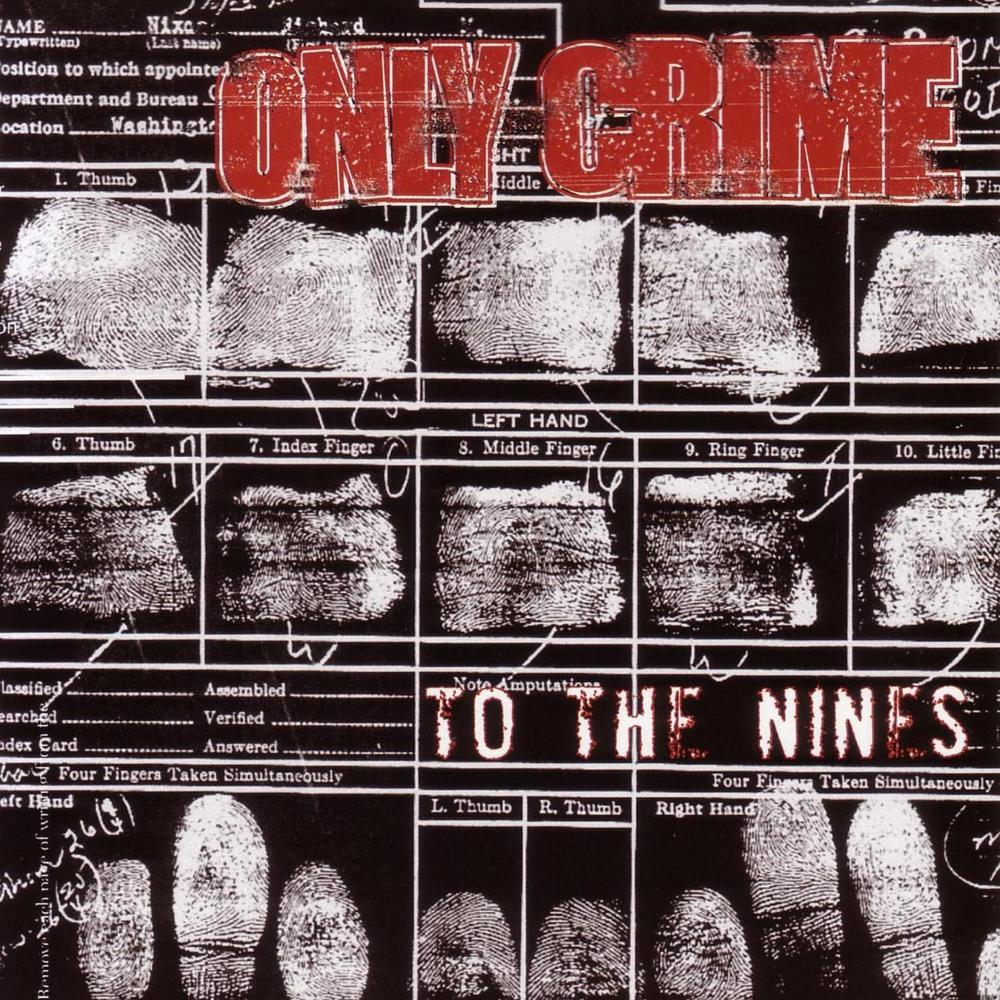
 View Artist