Song Meaning
The lyrics paint a picture of regret, looking back at a past relationship or period of life that ended without full understanding. The narrator repeatedly states, "結局は過去だった" (In the end, it was the past) and "痛みも過去だった" (The pain was also the past), suggesting a finality and a distance from the events. There's a sense of youthful ignorance, admitting "幼かった よく知らなかった" (I was young, I didn't know well) and "知らなかった" (I didn't know). This initial reflection establishes a melancholic tone, tinged with the realization that crucial moments were missed or misunderstood.
The central tension arises from the narrator's desire to revisit this past, expressed through the repeated plea, "I want go back back back back back." This yearning clashes with the acknowledgment that the past is irretrievable and perhaps even flawed. The narrator admits to being "自分勝手" (selfish) and having feelings that "一瞬で変わる僕で" (change in an instant), indicating a self-awareness of past immaturity. The contrast between the desire to return and the admission of past faults creates a poignant internal conflict.
A striking element is the use of alcohol as a crutch for reflection: "お酒に頼って 話せるのは今だけ" (Relying on alcohol, I can only talk about it now). This highlights the difficulty of confronting these memories soberly and suggests that the clarity or courage to speak about the past only comes with artificial support. The lyrics also reveal a self-critical perspective, with the narrator wanting to tell their past self, "あの日の僕には馬鹿と言いたいよ" (I want to call myself an idiot from that day). This self-admonishment underscores the depth of regret and the perceived foolishness of past actions or inactions.
Ultimately, the effectiveness of these lyrics lies in their raw, unvarnished portrayal of regret and self-recrimination. The simple, declarative statements about the past being over, combined with the desperate cries to go back, create a powerful emotional resonance. The admission of past selfishness and ignorance, coupled with the reliance on alcohol for reflection, grounds the abstract feelings of regret in relatable human behaviors, making the narrator's longing feel deeply personal and poignant.
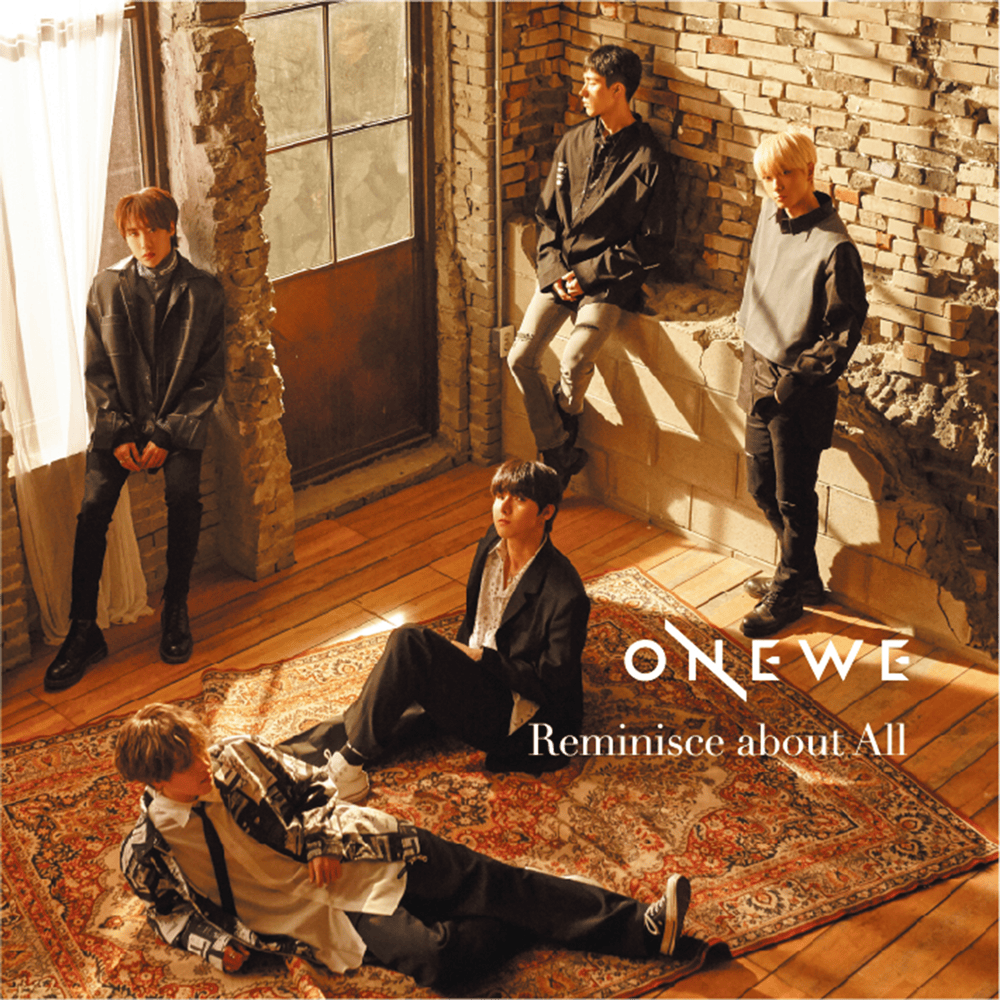
 View Artist