Song Meaning
The lyrics paint a picture of a strained, possibly codependent relationship where one person craves comfort and validation while the other feels burdened by their choices. The narrator observes the other person's desire for ease, contrasting it with their own broken state, symbolized by "hands are broken." There's a palpable tension between wanting to surrender to the other's needs and a sense of having already "spoken for what's right," suggesting a conflict of principles or desires.
The central tension seems to revolve around a forced intimacy and a plea for external judgment or understanding, as echoed in the repeated "Heaven should know." This refrain acts as an appeal to a higher power, perhaps to validate the narrator's actions or to acknowledge the difficult situation they're in. The narrator feels pushed by the "world" and struggles to reconcile their own feelings with the demands of the relationship, leading to a desire to "hold your breath until you cry."
The most striking aspect is the recurring image of broken hands, juxtaposed with the desire for open arms and celebration. This contrast highlights a deep-seated pain or inability to fully engage, despite outward gestures. The narrator's own admission, "My arms have held too long to know," reveals a weariness born from prolonged emotional labor, blurring the lines of their own identity and capacity for connection.
Ultimately, these lyrics resonate because they capture the exhausting push-and-pull of a relationship where one person's needs feel overwhelming. The narrator's internal struggle—between holding on, letting go, and seeking divine acknowledgment—creates a powerful sense of emotional fatigue and unresolved conflict, making the plea to "Heaven should know" feel both desperate and profoundly human.
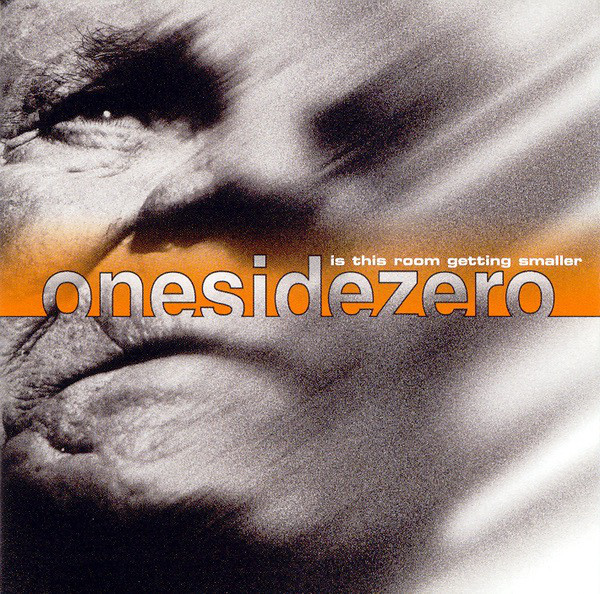
 View Artist