Song Meaning
The lyrics paint a picture of a stark contrast between youthful idealism and the harsh realities of adulthood. The narrator recalls a pivotal moment, their "second birthday," when they believed their voice could reach the world and that truth existed. This naive faith, however, is juxtaposed with the present, where they feel trapped on a "pulled rail," unable to turn back. The recurring image of "15 years old at night" singing "15 years old at night" is a powerful anchor, representing a specific, perhaps formative, moment of youthful rebellion and aspiration that now feels distant and even ironic.
The central tension lies in the narrator's struggle to reconcile the grand dreams of their youth with their current circumstances. They describe a frantic escape into a "pitch-black world," a "one-out, bye-bye" mentality, suggesting a reckless pursuit of something undefined. The lyrics hint at a life where they were envied and perhaps resented, yet also felt like they were merely "running away from something." This internal conflict between outward perception and inner reality fuels the pervasive sense of living in a "mad world."
A striking element is the way the lyrics shift from personal reflection to a direct address, questioning if a "you" is still pursuing the "grand dream" they once shared. This introduces a layer of lost connection and the lingering hope that perhaps someone else managed to keep the dream alive. The "second birthday" concept reappears in the outro, but this time it's linked to finding "love" scattered across the world, suggesting a potential redefinition of what constitutes a new beginning or a profound realization, possibly through connection rather than individual ambition.
Ultimately, the effectiveness of these lyrics stems from their raw portrayal of disillusionment and the persistent echo of past aspirations. The specific, almost autobiographical details, like the age and the song reference, ground the emotional weight. The contrast between the "grand dream" and the "mad world" creates a palpable sense of regret and longing, making the narrator's present state feel both personal and universally understood as the difficult transition into adulthood.
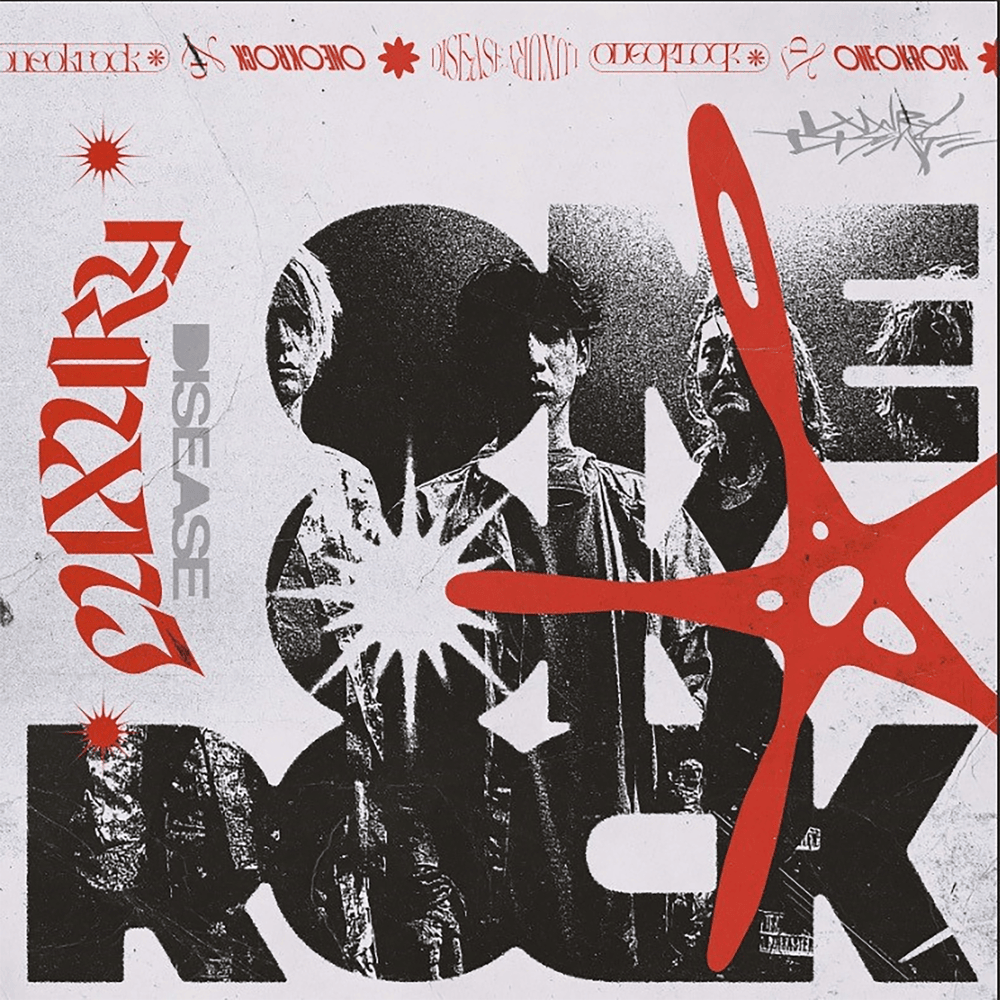
 View Artist