Song Meaning
“Lujo” plunges into a suffocating world, starting with the narrator “locking the door” in a “dark room” and “clenching teeth.” This immediate image of isolation and suppressed pain quickly expands to a city described as “sly” and “poisoned, sick.” The emotional texture is one of profound dread and internal collapse.
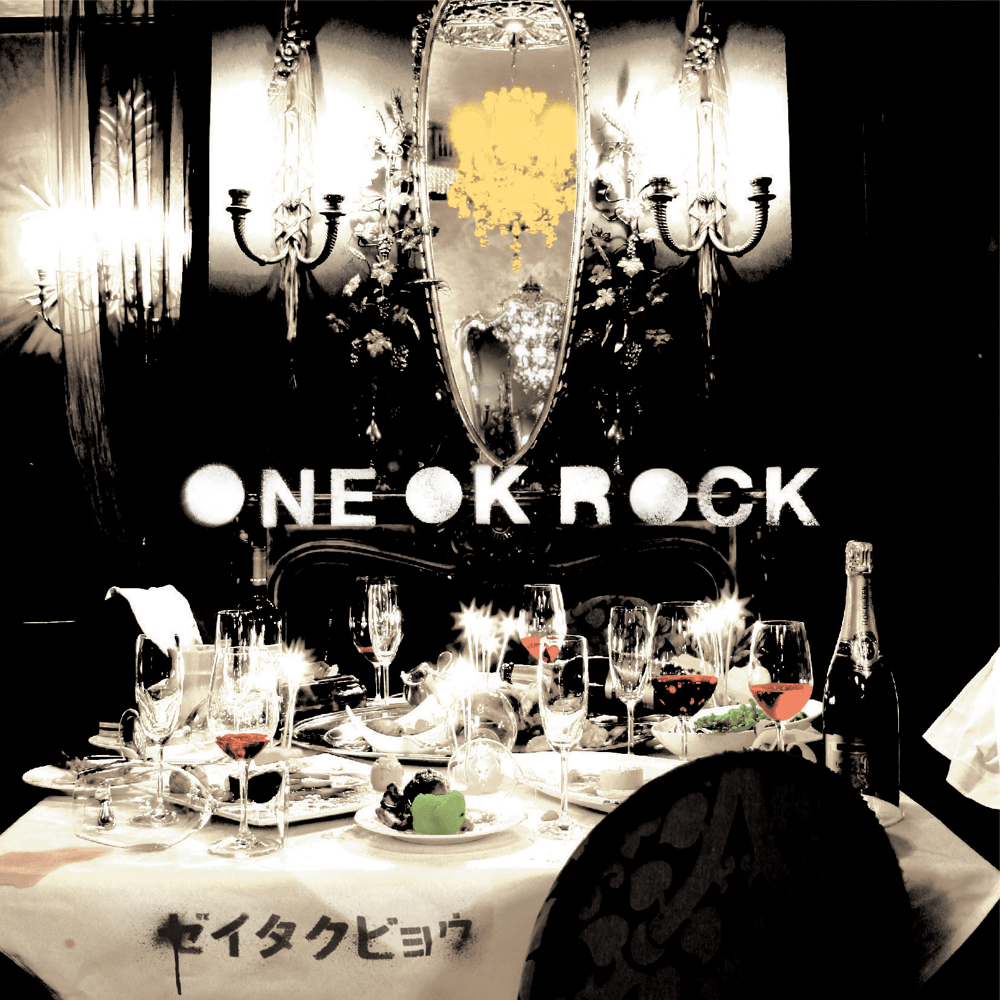
The core tension in “Lujo” revolves around the chilling, repeated declaration: “空前絶後最強贅沢病” – the “unprecedented, strongest, luxury disease.” This isn’t a literal ailment of affluence, but rather a metaphorical sickness of the soul, infecting a world where “rotten humans” wield “sharp knives.” The lyrics paint a picture of a pervasive urban decay, where the very conditions of modern existence seem to breed a profound spiritual and mental illness.
The craft here is relentlessly direct, using stark declarations to convey a sense of irreversible decline. The narrator’s chilling admission, “My Past’s gone, Memory’s gone,” immediately precedes the repeated “脳内崩壊将来no light” (brain collapse, future no light), signaling a complete mental disintegration. This personal decay mirrors the societal rot, vividly depicted as “黒さ増す細胞分裂” (blackness increasing, cell division) among “like-minded” individuals, suggesting a cancerous spread of corruption through the urban fabric.
Ultimately, “Lujo” is effective because it refuses to flinch from its bleak vision. The relentless accumulation of despairing images – from being “beaten by strong rain” in a “sleepless city” to seeing “only monochrome” – creates a suffocating atmosphere.
 View Artist