Song Meaning
The lyrics paint a stark picture of a relationship fractured by change and loss, centered on the repeated question, "Who is to blame?" The narrator grapples with the transformation of a loved one, noting how they've altered their face, voice, and even their very being after experiencing love and affection. This metamorphosis is presented not as growth, but as a loss of self, leaving the narrator questioning ownership and identity: "Whose is the self I lost?" The dominant tone is one of bewildered sorrow and a desperate clinging to a past that no longer exists.
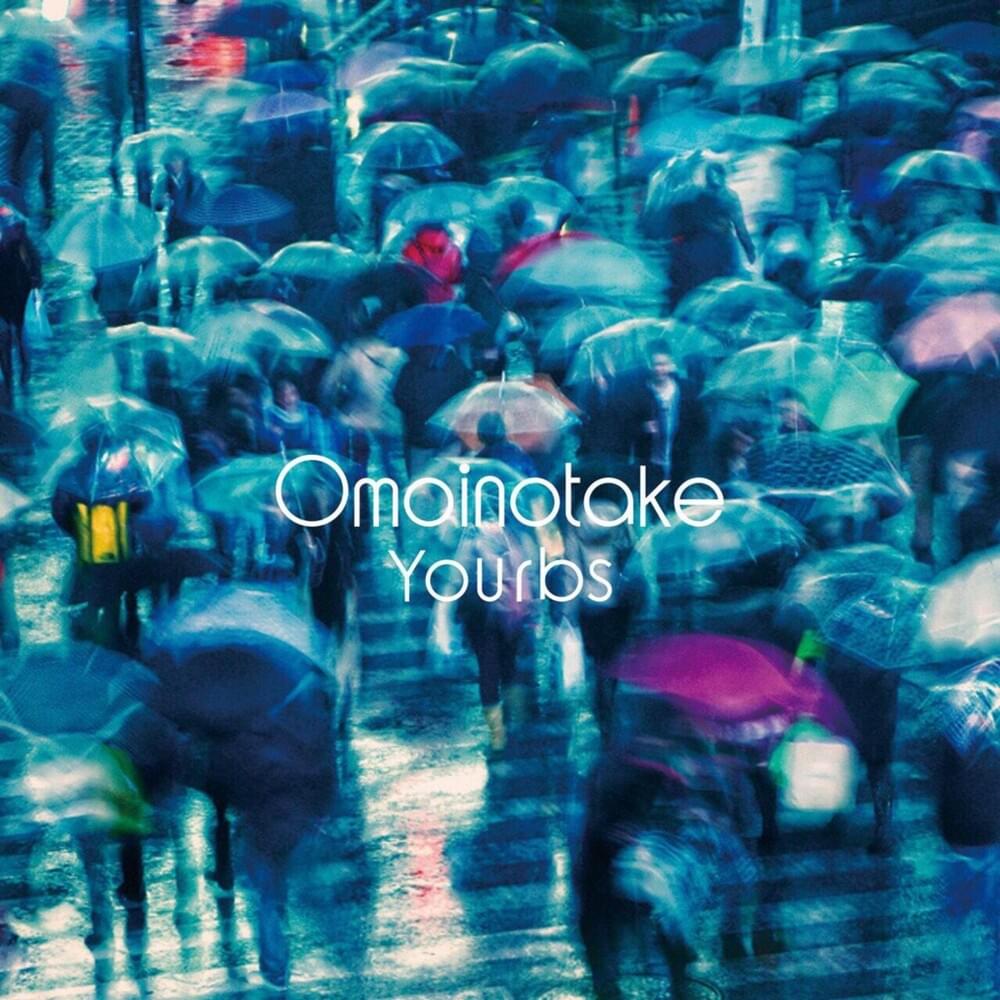
The central tension arises from the narrator's inability to reconcile the person they knew with the person they see now. The repeated questioning, "Who is to blame?" and "Whose is it now?" highlights a profound sense of abandonment and confusion. The lyrics suggest the loved one has been consumed by the world, "swallowed by people rushing down the road," leading to a loss of their original self and, by extension, their connection to the narrator. This external force seems to have fundamentally altered their shared reality.
The writing powerfully uses imagery of drowning and fragmentation to convey emotional distress. Phrases like "crushed heart brewed in a pool, dark and bitter" and "we are drowning, pretending to dance" create a visceral sense of despair. The contrast between the external world's indifference – "people's crowds disturb with soiled sensibilities" – and the internal turmoil of the narrator and their lost love underscores the isolation of their pain. The repeated plea, "Let's make our reunion at the usual place," acts as a fragile anchor, a hope for a return to normalcy amidst overwhelming change.
Ultimately, these lyrics resonate because they articulate the disorienting experience of watching someone you love become a stranger. The raw, almost accusatory questioning, coupled with the vivid metaphors of sinking and breaking, captures the painful process of letting go. The narrator’s struggle to find meaning in this transformation, and their persistent, albeit faint, hope for a reunion, speaks to the enduring ache of lost connection in a world that constantly demands adaptation.
 View Artist