Song Meaning
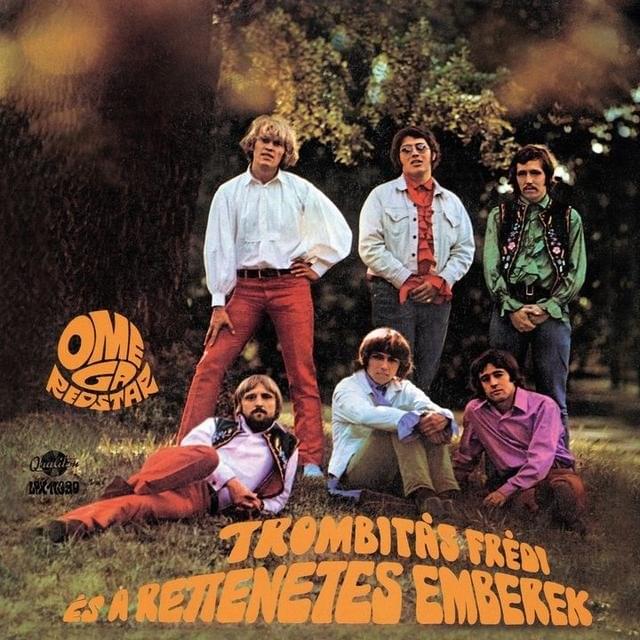
This song paints a picture of a beloved, perhaps slightly eccentric, musician named Frédi, who plays the trumpet. The opening lines establish a warm, inviting atmosphere, with people calling out to him, "Frédi, good fellow, play a little for us." They want him to play "according to our mood," urging him not to stay outside. The immediate impression is one of community and a shared desire for music to lift spirits and bring people together. The repeated call, "Oh, Trombitás Frédi, back to the old ways," suggests a familiar and cherished presence, someone who reliably brings joy.
The lyrics then shift to a more active, almost playful, encouragement directed at those who are slow to respond. The line "Sleepyheads, hey, wake up now" implies Frédi's music is a wake-up call, a vibrant force that can rouse even the most lethargic. There's a charmingly practical instruction for his playing: "If it crackles and creaks, you don't have to stop. And if it doesn't sound, blow the other end." This suggests a forgiving, perhaps even humorous, attitude towards imperfections, valuing the spirit of the music over technical flawlessness. It's a testament to Frédi's accepted character and the audience's affection.
The most striking aspect is the communal feeling that builds as the song progresses. The narrator states, "We sing together, the earth spins with us." This elevates Frédi's music from a mere performance to a shared experience that connects everyone, making the world feel alive and in motion. The final lines, "Sometimes we might be missed, you know where we stay," offer a sense of belonging and a promise of return, reinforcing Frédi's role as a central figure in their gatherings. The song's effectiveness lies in its simple, direct language and its focus on the joy and connection music can foster, making Frédi's trumpet playing feel like a vital, life-affirming event.
 View Artist