Song Meaning
“The Lost Prophet” plunges listeners into a suffocating darkness. A palpable fear grips the “you” addressed in the lyrics, as hope seems to vanish. An unseen speaker watches on, deeply concerned, creating a stark portrayal of encroaching despair.
The core tension here lies between an overwhelming, almost physical darkness and a desperate, internal struggle to maintain belief. The lyrics describe a “dense night” that “embraces you,” suggesting a suffocating, inescapable despair. This isn't just a lack of light; it's an active, consuming force that makes the individual feel “weak” and lose faith that “the night will end” and “pure light will conquer.” The conflict is less external and more about the fight against internal surrender.
The most striking craft element is the urgent, almost desperate repetition of the final stanza. “Be strong; hold on!” isn't just a suggestion; it's a mantra, a lifeline thrown by the concerned “I.” This direct, imperative address shifts the perspective from observation to active intervention, transforming the lyrics from a description of despair into a powerful, repeated plea for resilience. The simple, direct language here, urging to “don't give up,” cuts through the preceding gloom, aiming for immediate impact.
These lyrics resonate because they capture the raw, visceral experience of losing hope and the equally primal urge to fight against that surrender. The stark contrast between the “dense night” and the promise of “pure light” creates a clear emotional arc, even if the resolution is uncertain. By focusing on the internal battle (“you don't believe”) and the direct, repeated encouragement, the lyrics create an intimate, almost whispered plea that feels both personal and universally understood.
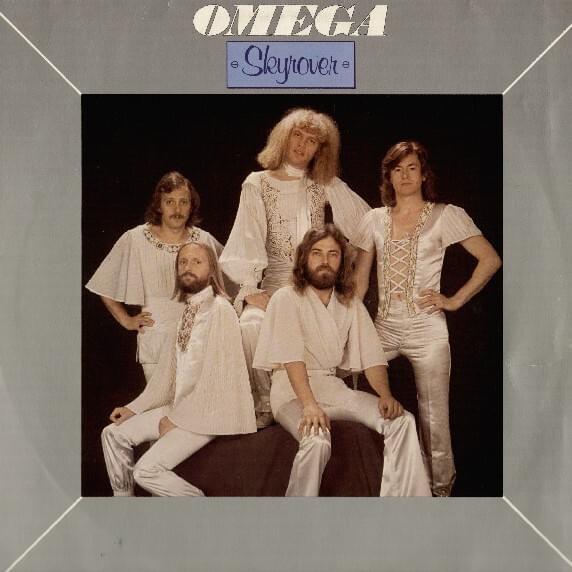
 View Artist