Song Meaning
The lyrics paint a stark, almost primal scene of a lost bird, a "vad madár," desperately trying to return to its mother. This initial image sets a tone of vulnerability and disorientation, immediately establishing a sense of unease. The sky is "bíborló," a bleeding purple, suggesting a dramatic, perhaps foreboding, twilight. The bird, already lost, "tudja már" – it knows its plight, adding a layer of tragic awareness to its struggle.
The core tension arises from a mother's anguished search for her "szegény fiad" – her poor son. The lyrics pose a desperate question: "vajon tudod-e, hol van?" – do you know where he is? This uncertainty is amplified by a series of grim possibilities. The son might be lying "hason hever talán a fekete hóban" (face down perhaps in black snow) or submerged "nyakig merül talán egy fekete tóban" (up to his neck perhaps in a black lake). These dark, elemental images create a powerful sense of dread and helplessness.
The repeated motif of running and hiding, "Szalad, szalad, fut a bozótban," emphasizes the son's panic and desperate flight. The chilling image of a "fekete hold" (black moon) above his heart adds a surreal, almost cosmic despair to his situation. This isn't just a physical chase; it's an internal descent into darkness. The recurring question about his whereabouts and the final, repeated "Elbújik a Hold" (The moon hides) underscore the overwhelming sense of loss and the extinguishing of hope.
What makes these lyrics so potent is their stark, unadorned imagery and the relentless focus on a mother's fear. The repetition of the son's plight and the darkening natural world creates a suffocating atmosphere. The lyrics don't offer resolution, only the raw, visceral pain of not knowing, amplified by the encroaching darkness where even the moon disappears.
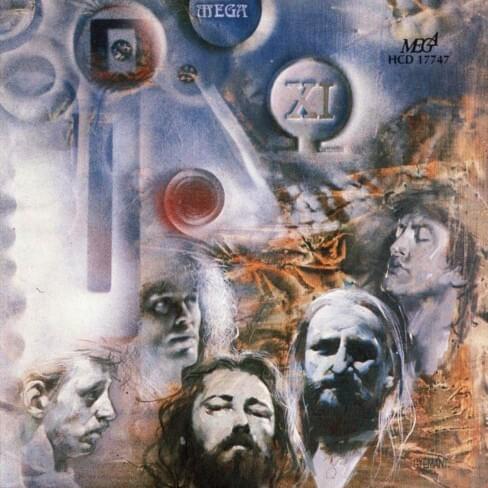
 View Artist