Song Meaning
This song is a raw plea for reconciliation, dripping with regret and a profound sense of loss. The narrator directly addresses a former lover, expressing a deep desire to return. The opening lines immediately establish a tone of earnest apology and a dawning realization of the partner's irreplaceable value. It's a simple, direct confession: "Megbántam mindent, igazán, hidd el nekem" (I regret everything, truly, believe me). The repetition of "kedvesem" (my love/darling) throughout the verses underscores the intimacy and the depth of the narrator's longing.
The central tension lies in the narrator's isolation amidst a crowd, highlighting the emptiness left by the departed love. Despite being surrounded by people, the feeling is one of profound loneliness: "Körülöttem nagy tömeg / De én egyedül megyek" (A big crowd around me / But I walk alone). This contrast between external presence and internal solitude powerfully conveys the depth of their emotional separation. The narrator's world has shrunk to a singular focus on the lost love, as evidenced by the repeated "Csak téged várlak / Csak téged hívlak / Csak téged látlak én" (I only wait for you / I only call you / I only see you).
The most striking aspect of the lyrics is the narrator's stark admission of being lost without their partner. The line "Úgy zajlik az élet, az ember megtévedhet, azt hiszem" (Life goes on like this, one can get lost, I think) suggests that the separation has led to a disorientation, a loss of direction. The desire to hold hands again, "Szeretném kezed fogni újra csendesen" (I would like to hold your hand again quietly), speaks to a yearning for simple, shared moments that now feel impossibly distant. The narrator is willing to endure any hardship to avoid future separation, stating, "Mit bánom, akár könnyen, akár nehezen" (I don't care, whether easily or with difficulty).
Ultimately, the effectiveness of these lyrics stems from their unvarnished honesty and the palpable sense of desperation. The repeated, almost desperate, desire to go back, "Szeretnék visszamenni hozzád" (I want to go back to you), coupled with the acknowledgment of past mistakes and the recognition of the partner's unique worth, creates a deeply affecting portrait of regret. The simple, direct language avoids complex metaphors, making the emotional plea feel immediate and genuine, resonating with anyone who has experienced the pain of lost love and the ache of wanting to undo past wrongs.
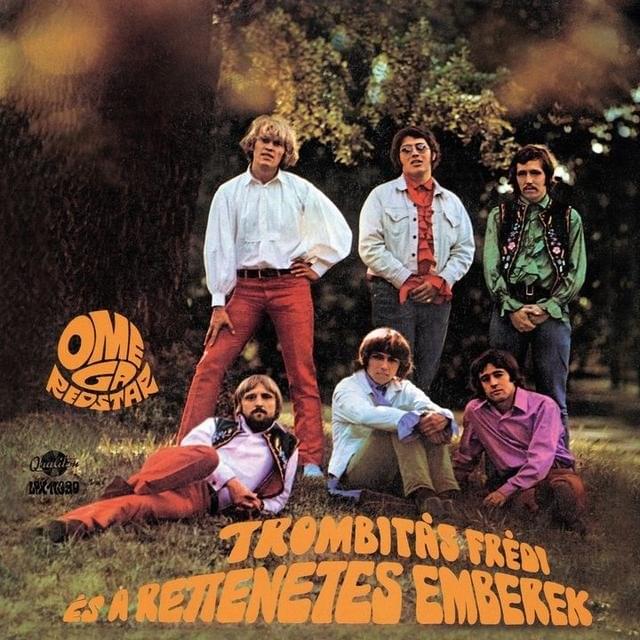
 View Artist