Song Meaning
The lyrics paint a vivid picture of a rainy, chaotic scene where people are rushing around under umbrellas. There's a palpable sense of shared experience, a memory invoked by the repeated address to "Elefánt," suggesting a past moment where this figure was present. The atmosphere is drenched, both literally by the rain and metaphorically by a sense of urgency and perhaps disappointment.
The central tension emerges from a feeling of absence and longing. Despite the narrator and others being present at significant moments – by the stage, under the roaring sky – Elefánt is conspicuously missing from a crucial wait. This absence creates a void, a feeling that someone important is not where they should be, intensifying the emotional weight of the downpour and the surrounding events.
The recurring phrase "Vizes pad, vizes a szél" (Wet bench, wet is the wind) anchors the sensory experience of the rain, creating a consistent, damp backdrop. This repetition emphasizes the pervasive discomfort and the shared, unavoidable reality of the weather. The shift from the general rush to the specific observation of Elefánt sitting at the bar counter, while others are soaked and waiting, highlights a disconnect and a personal betrayal of expectation.
This contrast between the external chaos and Elefánt's seemingly detached presence at the bar is what makes the lyrics resonate. It captures that specific sting of disappointment when someone you expect to share a difficult or significant moment with is instead opting for a solitary, perhaps even indifferent, comfort. The lyrics effectively use the oppressive weather to mirror an internal emotional climate of abandonment and unmet anticipation.
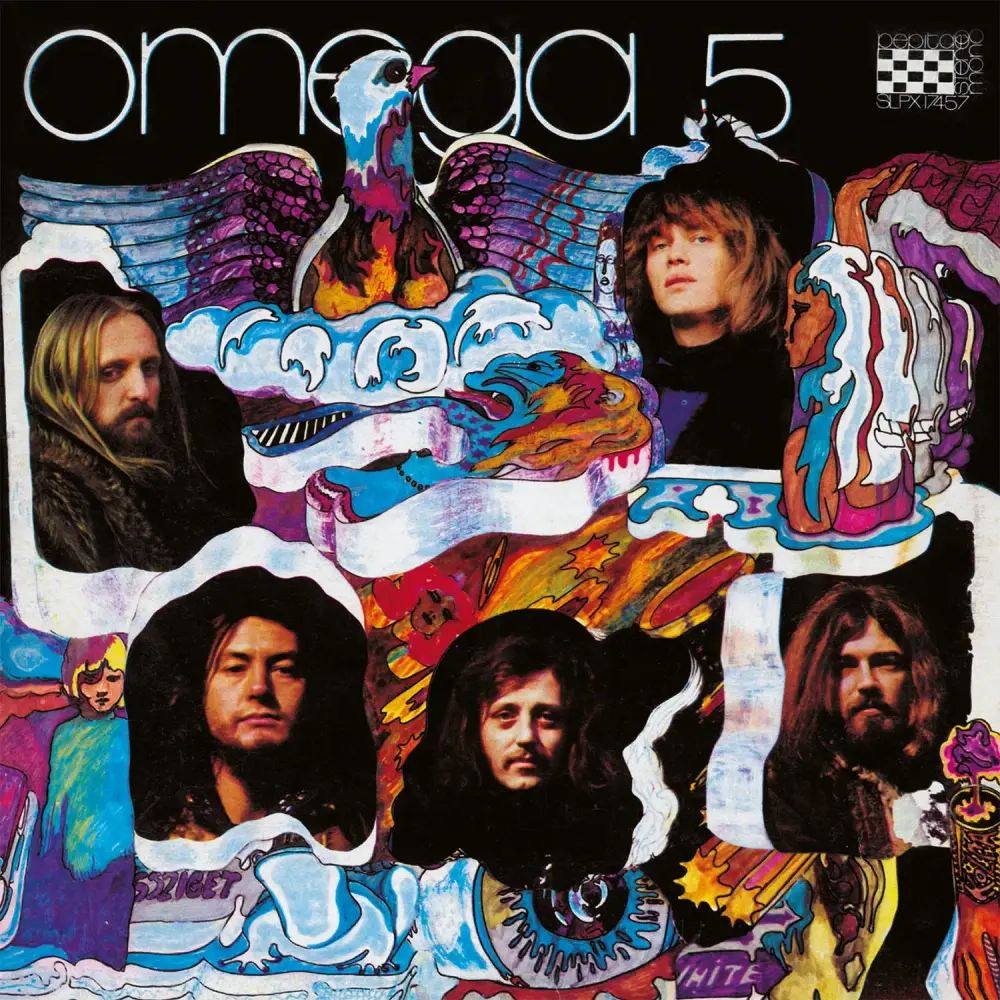
 View Artist