Song Meaning
The lyrics paint a vivid picture of a soul caught between two realms: "Heavenly light, shadow walks on earth." The narrator stands on the ground, yet sees "stars above me," claiming the sky as their "heavenly home." This immediate contrast establishes a profound spiritual yearning, a constant gaze upward. It's a scene steeped in reverence, hinting at a connection far beyond the mundane.
Central to this narrative is the figure of the "wanderer," seemingly a universal human archetype. These lyrics describe an "first altar" made of "light, of dream" where every wanderer pauses "halfway" through their journey. Here, a "cross received... for the earthly path" is given, a commitment or burden that "lasts a lifetime." This suggests a pivotal spiritual moment, a sacred vow or destiny that defines one's entire existence.
The craft here masterfully blurs the lines between inner experience and cosmic reality. "Wanderers' dreams walk in the sky," transforming personal aspirations into celestial phenomena. The narrator eventually sees "angels' dreams," suggesting an elevated state of consciousness or empathy. This culminates in the powerful paradox: "We came from nothing and dream while awake," implying that our deepest spiritual yearnings are both our origin and our enduring state of being, a constant, conscious connection to the divine.
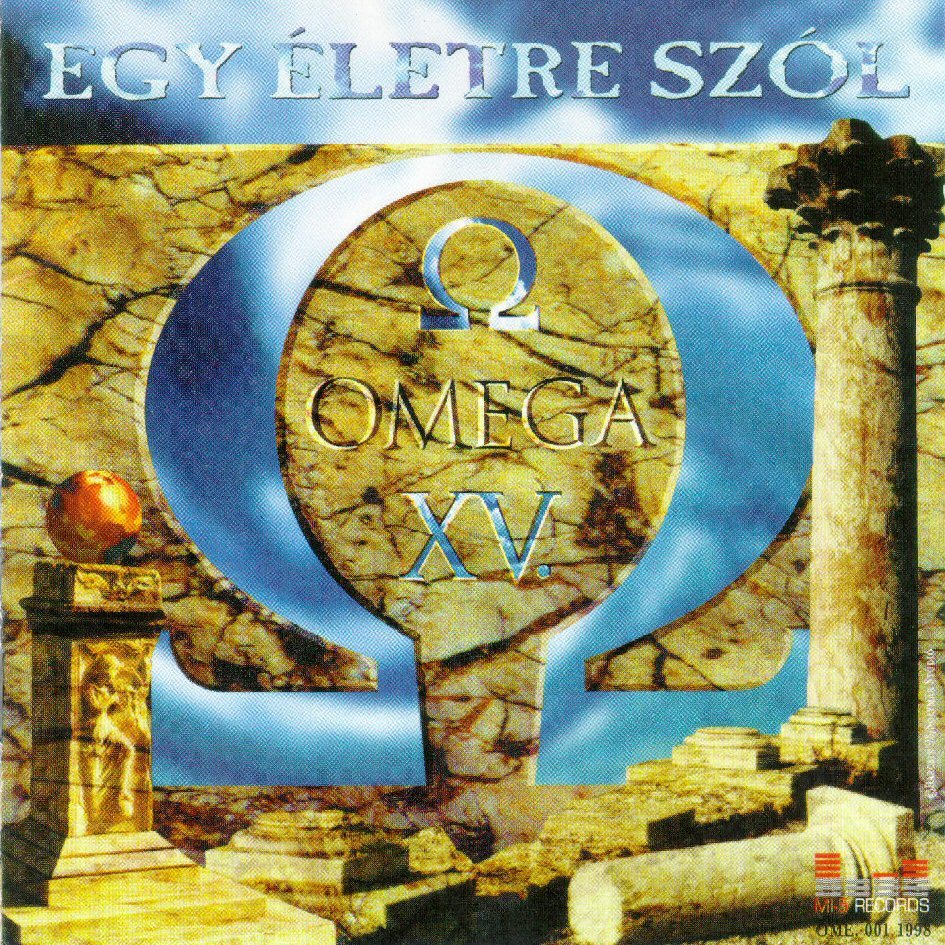
What makes these lyrics resonate is their ability to weave ethereal beauty with grounded human emotion. Amidst the celestial visions, a poignant line emerges: "Every memory that accompanies me is pain." This unexpected sorrow is mirrored by "angels' tears descend to earth," connecting divine empathy with human suffering. The recurring phrase "Ez egy életre szól" (This lasts a lifetime) transforms these fleeting moments of light, dream, and even pain into something eternal, affirming the profound, lifelong impact of this spiritual journey.
 View Artist