Song Meaning
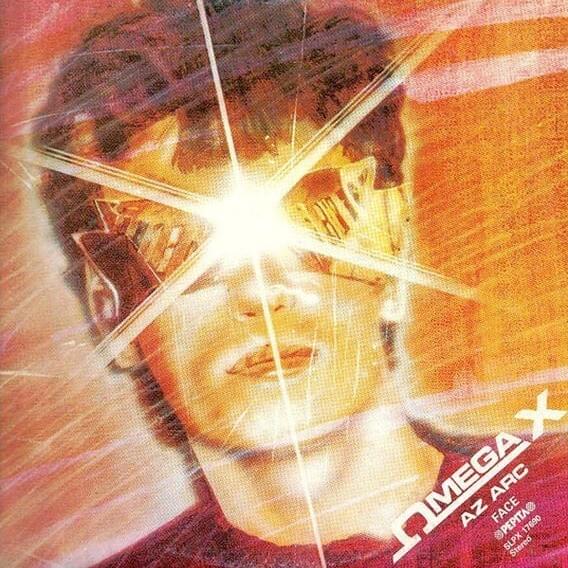
These lyrics immediately confront the listener with a profound sense of non-ownership, declaring "The face is not yours." This opening sets a melancholic tone, suggesting our very identity is borrowed. The imagery quickly expands, hinting at a fleeting existence where even the light in our eyes is "a stolen shard."
A central tension emerges from the struggle against time, which "evokes its own image" on our faces, eroding what was once "heavenly." This isn't just physical aging; it's a deeper loss, a fear that even "the angels / finally won't recognize us." The lyrics directly ask, "Where is the old / face, the heavenly one?" revealing a yearning for a pure, lost essence.
The lyrics masterfully extend this theme of borrowed existence, paralleling the face with a "house" that is also "not yours," only "guarded." This structural echo deepens the sense that our entire life, our physical being and dwelling, is temporary. The chilling image of a "desolate moon-face" remaining after the "Sun goes down inside" powerfully conveys an internal emptiness, a stark, cold void left behind.
What makes these lyrics so effective is their unflinching portrayal of impermanence, using stark, evocative imagery to question the very nature of self. The progression from a "stolen shard of light" to a "closed world" and finally to a "world made of dust" that "celebrates" creates a profoundly somber, almost ironic, conclusion. It's a powerful meditation on mortality, suggesting that our brief moment is merely a temporary wearing of another's form, destined to return to dust.
 View Artist