Song Meaning
The lyrics paint a stark picture of borrowed identity and fading essence. The opening lines immediately establish a sense of displacement, suggesting the face we present isn't truly our own but rather a vessel for someone else's. This borrowed light, reflected in the eyes, hints at a superficial existence, a glimmer of something stolen rather than earned. The passage of time, rather than revealing our true selves, seems to imprint a foreign image onto our features, leaving us unrecognized even by celestial beings.
The central tension lies in the loss of a former, radiant self. The narrator questions the whereabouts of this original face, asking if the capacity to let it shine still exists within. The imagery of a "long-lost, once brilliantly beautiful ray" evokes a profound sense of mourning for a past glory that has seemingly vanished. This internal decay is mirrored externally, as the "house" – perhaps representing one's life or being – is also not truly owned but merely guarded, contributing to a "closed world" born from infinity.
The most striking craft element is the pervasive motif of the "face" (arc) and its connection to ownership and authenticity. The repetition of "nem a tiéd" (not yours) underscores the theme of borrowed existence, whether it's a face or a home. The transition from the sun setting internally to a "dead moon-face" left in its place, celebrated by a world made of dust, creates a chilling image of decay and ultimate insignificance. This cyclical descent from borrowed light to a hollow, dusty existence is powerfully rendered through these stark, almost bleak, visual metaphors.
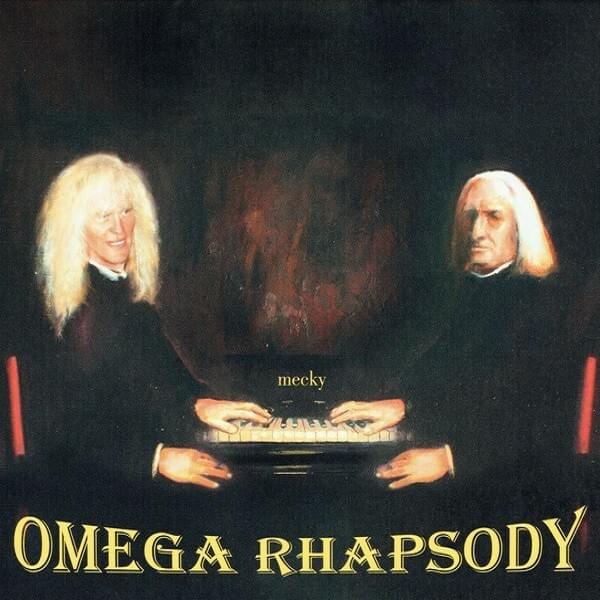
 View Artist