Song Meaning
This track opens with a hazy, almost disoriented vibe, immediately dropping into Spanish with a reference to "melaza del '95." It feels like a memory or a specific moment being recalled, perhaps a party or a gathering where music is central. The initial spoken-word interjections set up a dynamic of questioning and assertion, creating a palpable tension right from the start. The narrator seems to be navigating an unfamiliar social space, trying to understand their place and purpose.
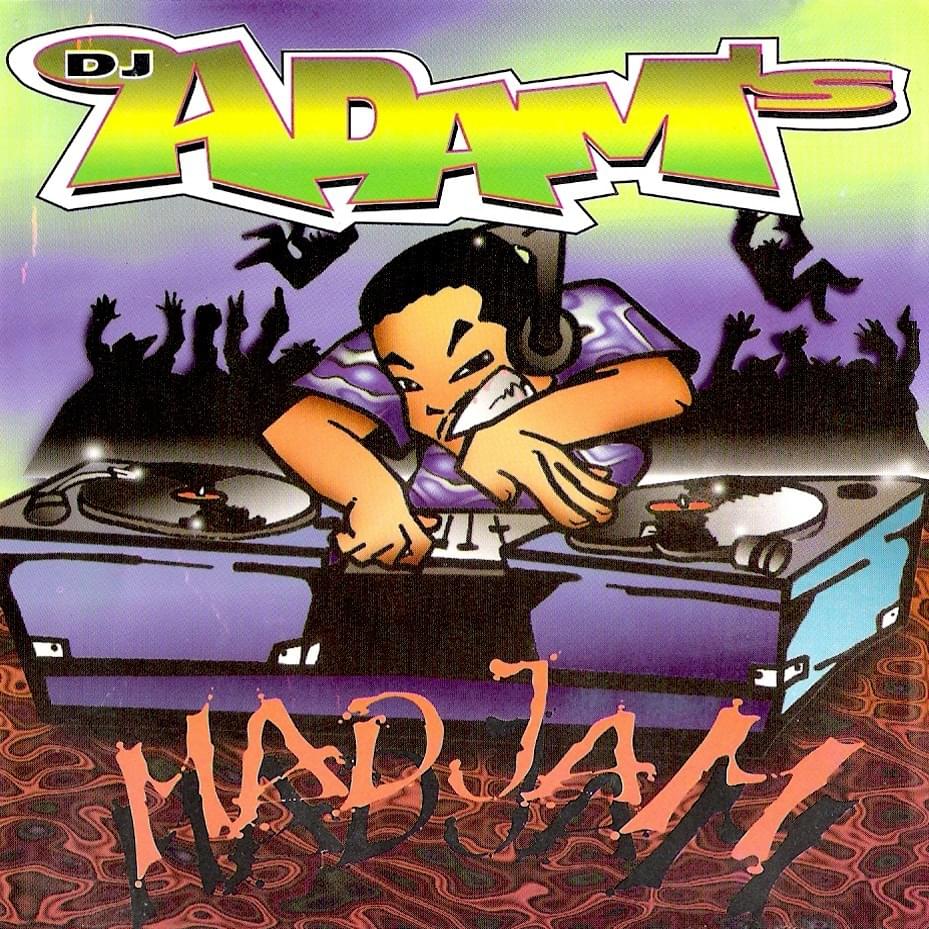
The core conflict emerges from a gatekeeping scenario, where the narrator's ability to perform is contingent on permission. The repeated questioning, "¿Quién te mandó a poner ese disco?" (Who sent you to play that record?) and the assertion "Yo no te conozco a ti..." (I don't know you...) highlight a power struggle or a moment of social awkwardness. The narrator's identity and right to be there are challenged, forcing them to seek validation from someone named Adam, who appears to be the authority figure.
The most striking element is the meta-narrative unfolding through the dialogue. The narrator's initial uncertainty and the subsequent quest for Adam's approval, "¿Tu eres Adam? Ahora si puedo cantar, verdad que si?" (Are you Adam? Now I can sing, right?), reveal a performance anxiety tied to social hierarchy. The lyrics suggest a moment of self-doubt and the need for external validation before proceeding, turning the act of singing into a conditional privilege.
This intro works because it captures a relatable feeling of being an outsider or needing to prove oneself in a new environment. The conversational, almost improvisational feel of the dialogue, punctuated by hesitations like "'perate un momentito..." (Wait a moment...), grounds the listener in a specific, slightly awkward social interaction. It’s this raw, unpolished exchange that makes the anticipation of the actual music to come feel earned and intriguing.
 View Artist