Song Meaning
The lyrics paint a picture of a bustling city street, a scene the narrator finds comforting and enjoyable. The constant movement of people is likened to a "sea" that "waves," a dynamic image that the narrator explicitly states they "like." This appreciation for the urban flow, the "memories and faces of words," and the sheer speed of daily life, "full steam the day flies," suggests a narrator who finds energy and connection in the collective human experience, even amidst the rush.
The core tension emerges from the contrast between this outward observation of life and an internal call to pause and reflect. The repeated refrain, "So stop and cancel all your meetings," acts as an invitation to step out of the relentless pace. It's an invitation to engage with "Mrs. Nostalgia," who beckons, and significantly, to open a window to a "first love." This suggests a desire to revisit past emotions and relationships, pulling the narrator away from the present's demands toward personal history.
The most striking craft element is the personification of nostalgia as a welcoming figure, "Mrs. Nostalgia invites us further." This isn't just a passive memory; it's an active, inviting presence. Coupled with the direct address to a "successful young man," the lyrics seem to be speaking to a version of the self, or perhaps an archetype, urging a moment of introspection. The phrase "I found a lot here, I lost a lot" encapsulates this duality of experience, acknowledging both gain and loss as integral to the passage of time.
Ultimately, the effectiveness of these lyrics lies in their ability to capture a specific, relatable feeling: the quiet satisfaction found in observing life's flow, combined with the poignant pull of memory. The narrator's repeated affirmation, "And I like that," applied to both the external bustle and the internal reflection, creates a sense of acceptance. It's this blend of appreciating the present moment's energy while acknowledging the enduring impact of the past that makes the song resonate.
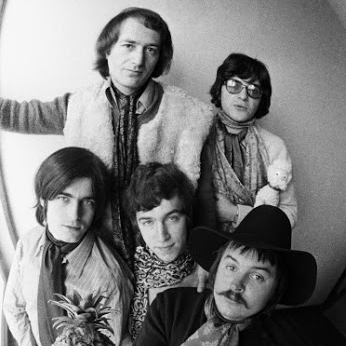
 View Artist