Song Meaning
Olu Dara's "Father Blues" is less a song, more a primal invocation. It’s a DNA-level transmission of ancestral wisdom, whispered across generations of Black American women to their sons. The cyclical, almost chant-like lyrics bypass the intellect, aiming straight for the gut. "My mama said, Grandmama co-signed it," Dara intones, immediately establishing a lineage of matriarchal authority. The blues, in this context, transcends mere musical form; it embodies a survival strategy, a cultural inheritance passed down to navigate a world fraught with peril for Black men. The 'father blues' isn't necessarily a literal father figure, but rather the accumulated knowledge, resilience, and perhaps even the sorrow, gleaned from generations of lived experience. It's the understanding of how to move, how to be, how to survive.
The repetition of phrases like "Know where you go" and "Everywhere you go, take your father blues" emphasizes the constant vigilance required. This isn't a lesson to be learned once, but a code of conduct to be internalized and carried at all times. It suggests a world where awareness of one's surroundings and potential threats is paramount. The absence of specific narratives or anecdotes amplifies the universality of the message. It's not about one particular struggle, but the enduring struggle itself.
Ultimately, "Father Blues" functions as a spiritual compass. It’s a grounding force, reminding the listener of their roots and equipping them with the tools to face an uncertain future. The 'blues' here become synonymous with heritage, resilience, and the quiet strength forged in the face of adversity. It's a powerful, minimalist statement about the enduring legacy of the blues tradition as a source of guidance and protection.
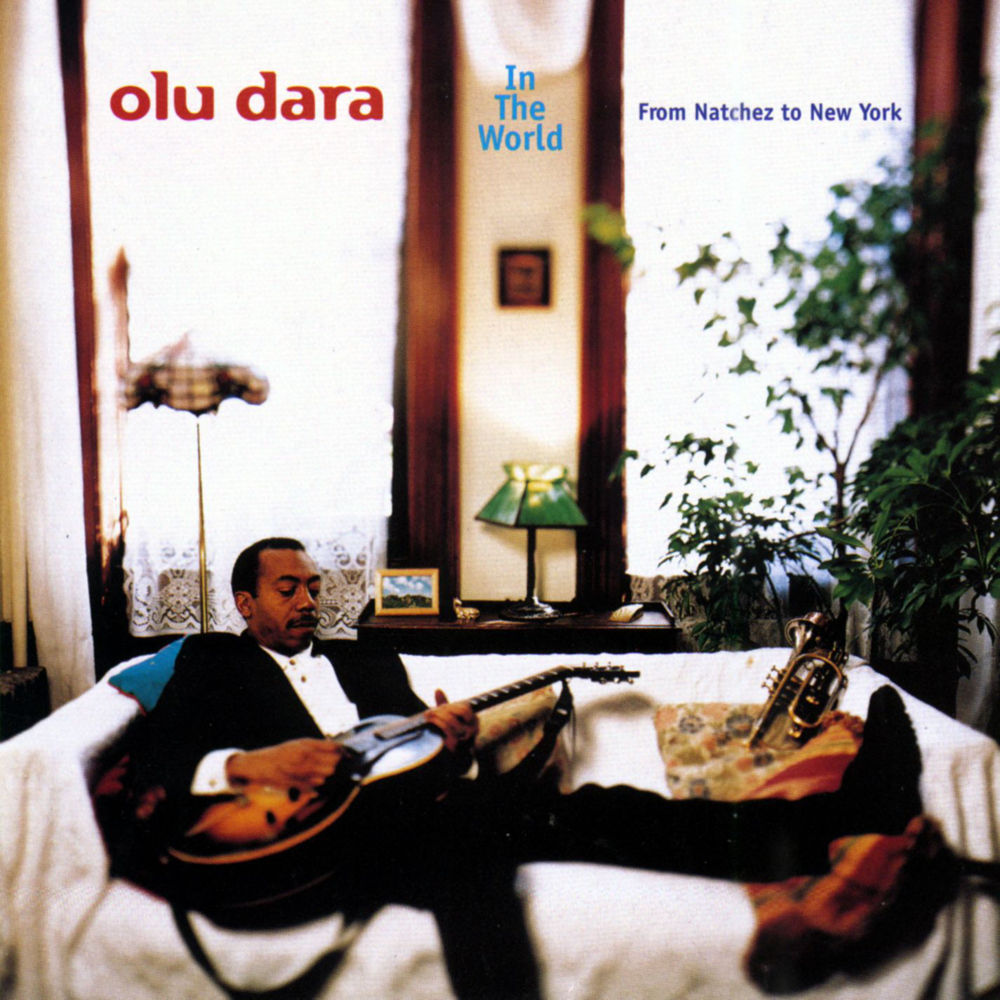
 View Artist