Song Meaning
The lyrics open with a simple, almost reverent description of the berimbau, an instrument born from "pedaço de arame, pedaço de pau." This quickly shifts into a vibrant call to action, urging "Madalena" to "sacode a poeira" and sing. The immediate emotional texture is one of joyful defiance and communal awakening. It establishes the berimbau not just as an object, but as a catalyst for spirit.
A core tension emerges between sadness and joy, passivity and active resistance. The command to "espante a tristeza" directly confronts an underlying struggle, which is then explicitly linked to a broader fight against "o mal que nos rodeia." This suggests the music isn't just for celebration, but for confronting adversity and reclaiming agency. The declaration "Eu sou Olodum, quem tu és?" acts as both an invitation and a challenge, solidifying a collective identity.
The most striking craft element is the powerful redefinition of music itself. The lyrics declare, "A arma é musical," transforming instruments and voices into tools for defense and empowerment. This isn't a metaphorical weapon in a casual sense; it's presented as a direct means to "extirpar o mal." The specific mention of "reggae," "jazz," and "blues" further grounds this musical arsenal in genres historically associated with struggle, identity, and spiritual expression, culminating in "Eu louvo a Jah."
These lyrics resonate by seamlessly weaving the physical creation of an instrument with its profound cultural and spiritual purpose. The repetition of "Berimbau sim / Berimbau não" creates a rhythmic, almost hypnotic chant, drawing the listener into the collective experience. By framing music as a powerful, conscious force—a "negra cor" awakening—the song transforms a simple instrument into a symbol of resilience, community, and active resistance against oppression, making its message both deeply personal and universally empowering.
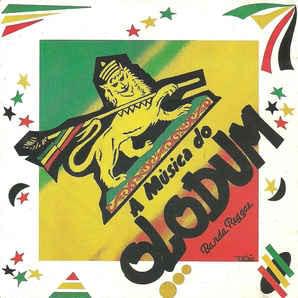
 View Artist