Song Meaning
The lyrics paint a picture of being utterly captivated, almost against one's will. The opening lines, "Es así que me has seducida" (This is how you've seduced me), immediately establish a sense of surrender to an overwhelming charm. The imagery of "eyes on the moon" and "heart in the socks" or "hidden in a handkerchief" creates a disorienting, almost absurd, emotional state. It’s a feeling of being completely smitten, yet with a touch of playful bewilderment.
The central tension arises from this paradoxical state of adoration and confusion. The narrator declares "Mi quijote le quiero a mi quijote" (My Don Quixote, I love my Don Quixote), invoking the classic literary figure known for his idealistic, often impractical, pursuits. This suggests the object of affection is perhaps an unconventional or even foolish figure, yet deeply cherished. The repeated plea, "Si siempre vagabundas no podré nunca luchar" (If you always wander, I'll never be able to fight), hints at a fear of abandonment or the inability to connect with someone who is perpetually elusive.
The most striking aspect of the craft is the juxtaposition of grand, romantic notions with mundane or peculiar details. The "eyes on the moon" are classic romantic imagery, but the "heart in the socks" or "hidden in a handkerchief" grounds the feeling in something more awkward and personal. The mention of "old jeans threatening to fall" adds a layer of raw, unvarnished reality to the romantic ideal. This contrast between the lofty and the ordinary amplifies the unique, almost eccentric, nature of the narrator's devotion.
Ultimately, the lyrics resonate because they capture the irrationality of deep affection. The repeated, almost chanted, "Mi quijote" and the extended vocalizations at the end convey an emotional intensity that transcends logical explanation. It’s the feeling of being so deeply invested in someone that their quirks and elusiveness become part of what makes them lovable, even if it leads to a state of constant, bewildering yearning.
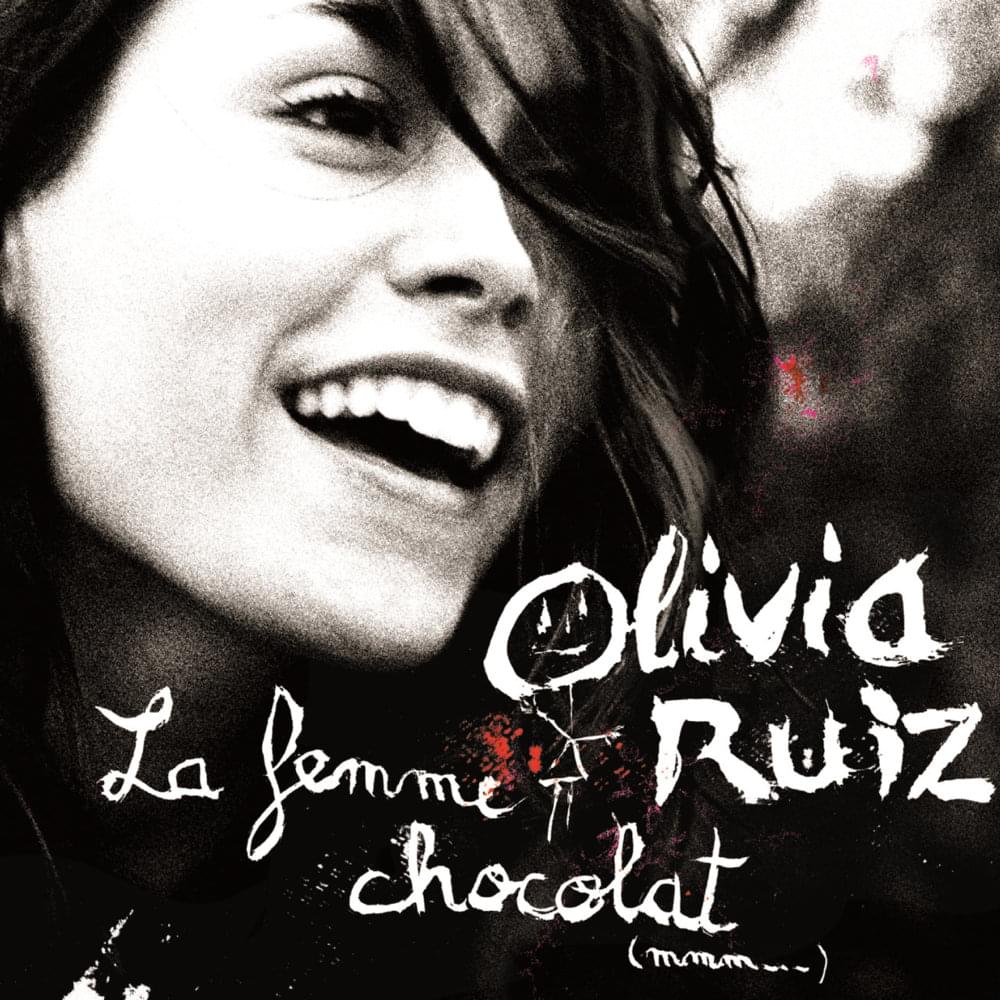
 View Artist