Song Meaning
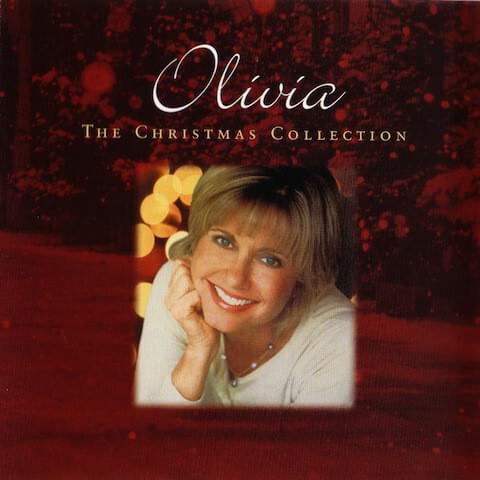
Olivia Newton-John's rendition of "White Christmas" isn't just a simple holiday carol; it's a poignant exploration of nostalgia and the idealized past. The song taps into a universal longing for simpler times, a yearning amplified during the holiday season when memories and expectations often collide. The lyrics, though straightforward, paint a vivid picture of a pristine, almost mythical Christmas, 'just like the ones I used to know.' This isn't merely about snow; it's about the innocence and wonder associated with childhood Christmases, where 'tree tops glisten' and the sound of 'sleigh bells in the snow' held genuine magic. Newton-John's delivery, characteristically pure and heartfelt, amplifies this sense of longing. It’s a performance steeped in wistful reflection rather than boisterous celebration.
The recurring phrase 'dreaming of a white Christmas' speaks volumes about the psychological weight of holiday expectations. The color white, traditionally associated with purity and peace, becomes a symbol of an unattainable ideal. Each Christmas card written is not just a greeting but a reaffirmation of this dream, a wish for a holiday season untainted by the complexities and disappointments of adult life. The lyrics cleverly link personal desire ('I'm dreaming') with a collective hope ('May your days be merry and bright / And may all your Christmases be white'), suggesting that this yearning for a perfect Christmas is a shared human experience.
Ultimately, Olivia Newton-John's "White Christmas" transcends its festive facade to become a subtle commentary on the nature of memory and the power of collective nostalgia. It acknowledges the inherent tension between the idealized past and the often-messy reality of the present, reminding us that while the 'white Christmas' of our dreams may be elusive, the act of dreaming itself offers a form of solace and connection.