Song Meaning
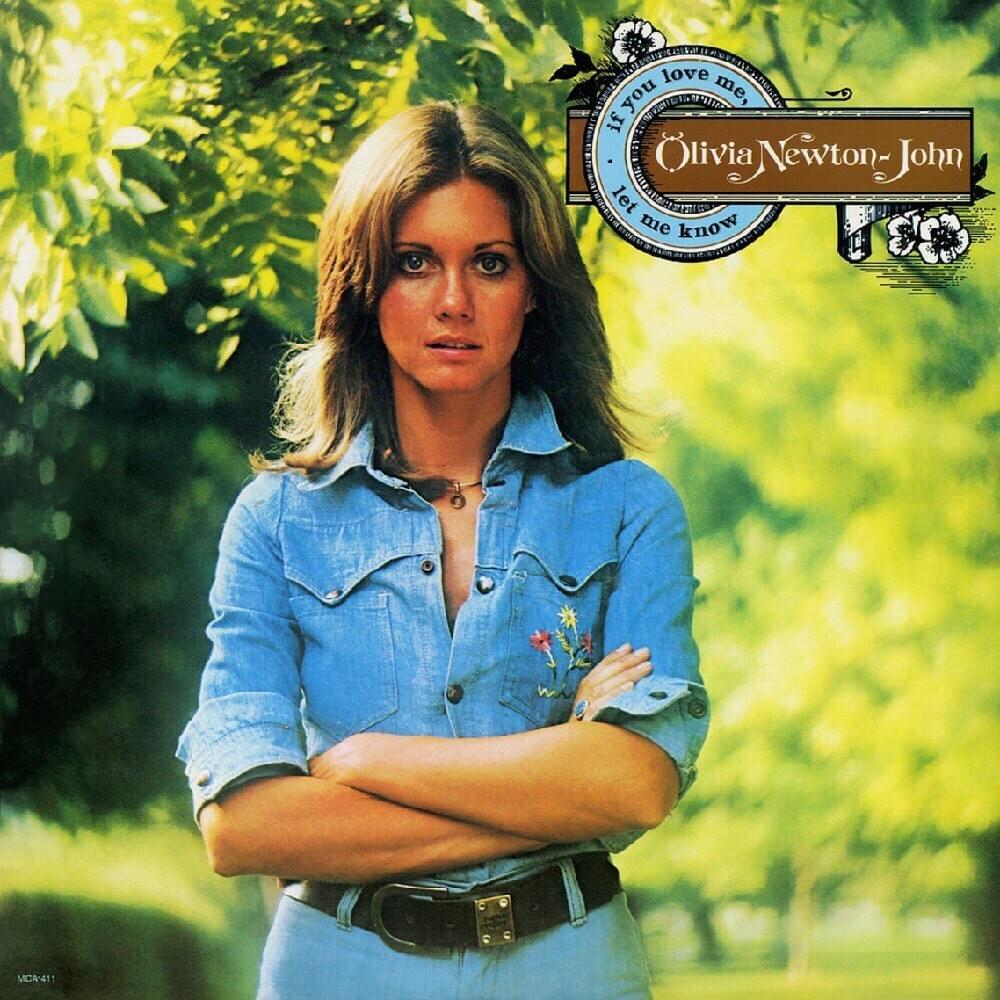
Olivia Newton-John's "Mary Skeffington" isn't a chart-topper, but its quiet intimacy resonates with anyone who's ever witnessed the slow fade of a life. The song meaning centers on gentle encouragement, a whispered pep talk to a woman facing an uncertain future, likely grappling with loss or aging, or both. It's a poignant study in empathy, not just observing Mary's pain, but actively attempting to soothe it. The narrator isn't offering solutions, but rather a soft place to land within her own memories.
The lyrical structure reinforces this sense of tender care. The narrator urges Mary to "close your eyes / and make believe that you are just a girl again," suggesting a retreat into the past as a coping mechanism. The specific details—a "holiday in a north of England town" and a "bed of eiderdown"—paint a vivid, almost tactile picture of simpler times. These aren't grand, sweeping memories, but rather the small, comforting moments that accumulate to form a life. The song subtly acknowledges the power of nostalgia as a form of self-preservation, a way to reconnect with a sense of identity and purpose when the present feels overwhelming.
Ultimately, "Mary Skeffington" transcends a simple narrative. The song's core message lies in its understanding of resilience. The narrator acknowledges Mary's struggles but emphasizes her inner strength: "You've always been a lady, hold your head up high." It's a reminder that even in the face of adversity, dignity and self-worth can endure. The repeated calls to remember the past, including "the man who asked you if you would be his wife," serve not as a lament for what's lost, but as a testament to a life well-lived, a foundation upon which to build a new chapter. The song's quiet power lies in its unwavering belief in the human spirit's capacity for hope and its gentle acknowledgment of grief.
 View Artist