Song Meaning
Olivia Newton-John's "Lullaby" isn't just a gentle tune; it's a poignant farewell, a passing of the torch steeped in unconditional love and acceptance. The song meaning revolves around themes of legacy, mortality, and the boundless potential of youth. It's a recognition that the singer's time is fading, symbolized by "the house of yesterday is crumblin' at my feet," yet there's no regret, only a serene acceptance of the natural order. This isn't a lament, but a celebration of what's to come. The lyrics present a powerful image of maternal love, where the singer offers "stars and sunshine" and a "rainbow at your feet," illustrating the desire to provide a beautiful world for the child. But, more profoundly, she acknowledges that the child, representing "tomorrow," possesses something she no longer does: the unbridled truth and potential of youth.
The core message of "Lullaby" rests on the idea of finding continued existence through the next generation. The singer's future, if she has any, lies "within your eyes," highlighting the emotional investment and hope placed in the child's success and happiness. This isn't about clinging to life, but about finding a meaningful continuation of one's self through the child's journey. There's a sense of completion and purpose as the singer reflects on bringing the child into the world, declaring, "I brought you forth / And then my task was through." This isn't a cold abandonment, but an understanding that her role has evolved, shifting from protector to observer, trusting in the child's inherent strength and the "hand of life" to guide them.
Ultimately, the "Lullaby" lyrics paint a portrait of selfless love, where the singer willingly steps aside to allow the child to flourish. The repeated refrain, "I am but yesterday / And you my child, tomorrow," emphasizes this generational shift, reinforcing the idea that life is a continuous cycle of growth, change, and renewal. The song's beauty lies in its simple yet profound message: that true love means letting go and embracing the future, even if it means accepting one's own inevitable fading. It's a gentle reminder of the enduring power of legacy and the hope that resides in the next generation.
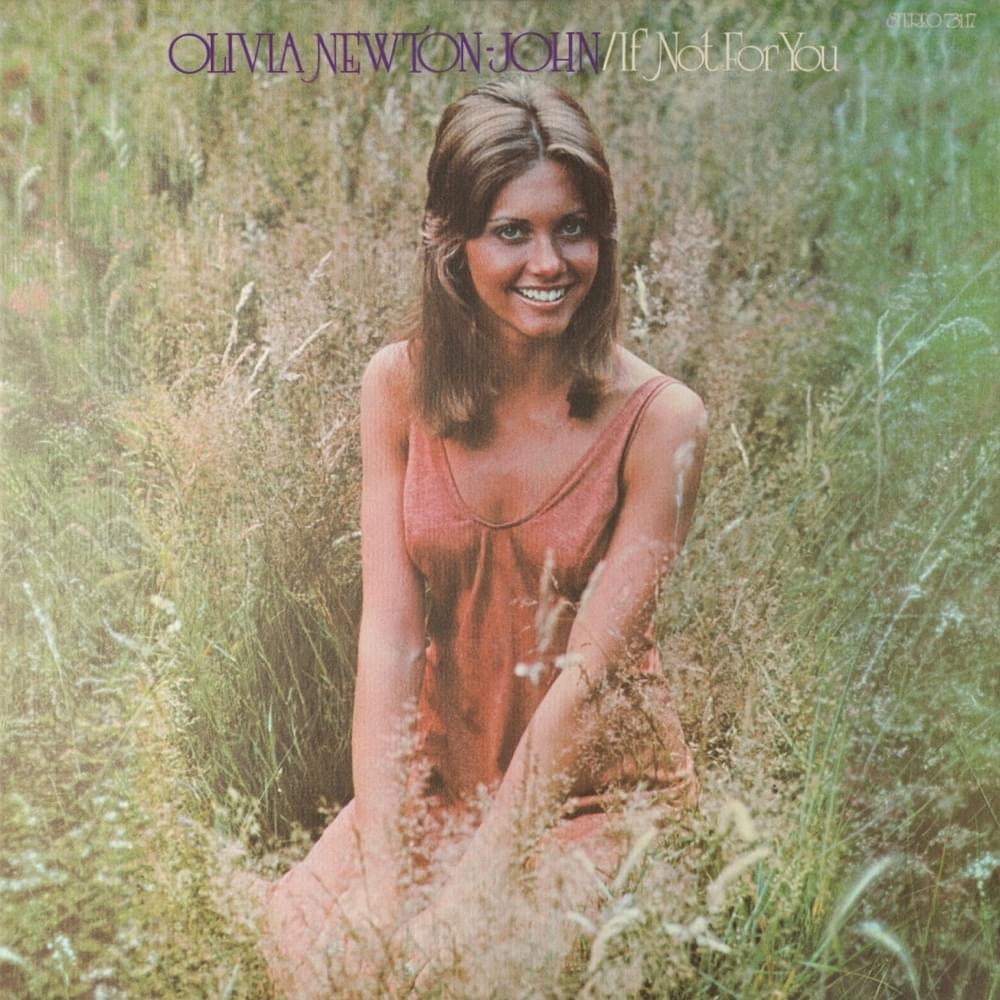
 View Artist