Song Meaning
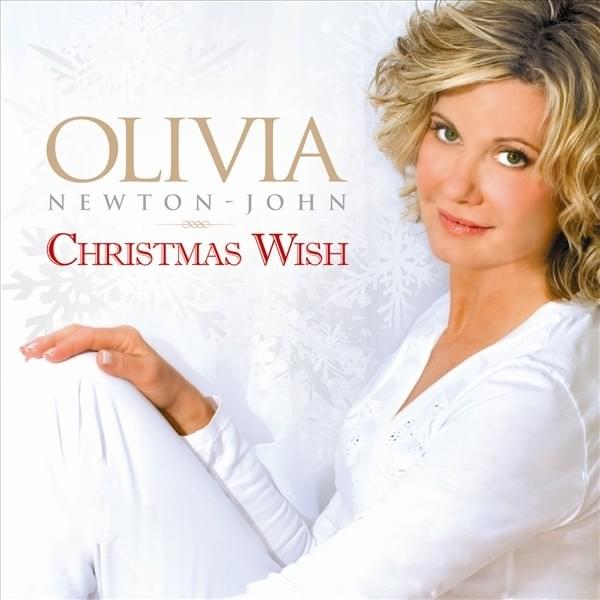
Olivia Newton-John's rendition of "In the Bleak Midwinter" isn't just a Christmas carol; it's a profound meditation on humility and devotion. Christina Rossetti's lyrics, set against a stark winter landscape, strip away the pageantry often associated with religious celebration. The 'bleak midwinter' isn't merely a seasonal setting; it's a metaphor for the human condition – a state of inherent lack and longing. Newton-John's delivery, with its crystalline clarity, amplifies this sense of vulnerability, inviting us to confront our own spiritual poverty. The song subtly critiques the grandiose, contrasting celestial beings with the simple, earthy reality of the Nativity. God, who cannot be contained by heaven or earth, paradoxically finds refuge in a 'stable place.' This juxtaposition highlights the central tenet of the Christian faith: divine power manifested in human frailty. It's a reminder that true strength lies not in might, but in meekness.
The emotional core of "In the Bleak Midwinter" resides in the final verse. The speaker, acutely aware of their own insignificance ('poor as I am'), grapples with the question of what they can offer. The hypothetical gifts – a lamb, the wisdom of the Magi – are ultimately deemed insufficient. The only worthy offering, the lyrics suggest, is one's own heart. This isn't a call for grand gestures or material sacrifice, but a plea for genuine, personal connection. It's about offering our vulnerability, our flaws, our very selves to something greater than ourselves. This resonates deeply because it acknowledges the inherent inadequacy we often feel in the face of the divine.
Ultimately, the song meaning hinges on this act of offering. It's a psychological portrait of faith as an act of surrender, a letting go of ego and pretense. Newton-John's interpretation, imbued with her signature warmth and sincerity, invites us to find solace and meaning in the stark simplicity of the season. It suggests that the true spirit of Christmas lies not in the abundance of gifts or the spectacle of celebration, but in the quiet, internal act of giving one's heart. The song's power is in its quiet insistence that even in our bleakest moments, in our most profound sense of lack, we have something of value to offer.
 View Artist