Song Meaning
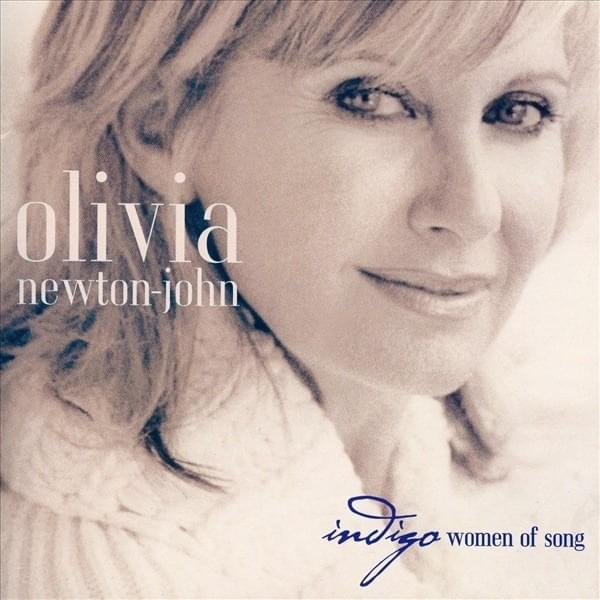
Olivia Newton-John's rendition of "Cry Me a River" isn't just a dismissal; it’s a study in emotional accounting. The song's core meaning revolves around the profound imbalance of heartbreak and the subsequent demand for reciprocal suffering. The opening lines immediately establish this dynamic: the narrator, having already endured a deluge of tears (“I cried a river over you”), is now met with the remorse of the very person who caused that pain. It’s a power shift, a reclaiming of emotional territory after being left vulnerable. The repeated phrase, “Cry me a river,” becomes less a flippant retort and more a calculated measure of deserved anguish. The listener senses a hard-won emotional boundary being drawn in real-time.
The lyrics subtly reveal the nature of the initial betrayal. It wasn't merely a casual dismissal but a calculated devaluing of the narrator's emotions and perceived social standing. Phrases like “love was too plebeian” expose the elitist rationale behind the rejection, suggesting the narrator’s love wasn't good enough, wasn't sophisticated enough, for the other person's refined sensibilities. This adds a layer of bitterness to the song, elevating it beyond a simple tale of heartbreak. It speaks to the pain of being deemed unworthy, of having one's emotions belittled due to perceived social inferiority. The line, "You drove me, nearly drove me out of my head / While you never shed a tear," highlights the abject lack of empathy during the relationship's downfall.
Ultimately, "Cry Me a River" functions as a potent declaration of self-preservation. It's a refusal to be further manipulated by crocodile tears. The narrator isn’t interested in forgiveness or reconciliation; they seek acknowledgment of the pain inflicted. The repeated refrain serves as both a challenge and a dare: prove your remorse, demonstrate the depth of your regret, only then will you begin to understand the magnitude of what I endured. It’s a song about demanding emotional parity, of insisting that the perpetrator experience a fraction of the suffering they caused. In Newton-John's delivery, there's a steely resolve, a sense that the river has already been cried, and now it's someone else's turn to face the flood.
 View Artist