Song Meaning
Olivia Newton-John's "Being on the Losing End" isn't just a lament; it’s a raw, intimate portrait of disillusionment. The song excavates the vulnerability and quiet desperation that festers when a relationship's power dynamics shift drastically. The opening lines, steeped in physical discomfort ("pins and needles, boy / From sleeping on your floor"), immediately establish a scene of imbalance and sacrifice. This isn't a casual fling gone sour; it's a situation where the narrator has compromised their own well-being, possibly their dignity, for someone who now holds all the cards.
The recurring motif of the "golden eagle" casting shadows adds a layer of symbolic weight. Eagles often represent power, freedom, and vision, but here, the image is twisted. The eagle's flight, once perhaps a shared aspiration or source of inspiration, now only serves to darken the narrator's world. This "never ending shadow" speaks to the persistent, inescapable nature of the imbalance – a constant reminder of the other person's ascendance and the narrator's corresponding decline. The plea, "You said you'd always be my friend," cuts deep, suggesting a betrayal of trust that exacerbates the pain of being on the losing end. Friendship, once a foundation, is now a broken promise.
The song's most poignant moments arrive with the repeated cries for help: "Gotta help me lord / I'm on the dark side of dawn." This isn't a general statement, but an admission of being trapped in a liminal space – neither fully in darkness nor able to reach the light. The need for "sweet love" isn't necessarily romantic; it's a fundamental human need for compassion and support, a lifeline to pull the narrator out of the despair of being on the losing end of a connection that has devolved into something painful and unequal. Olivia Newton-John delivers these lines with a vulnerability that transforms the song into a stark, relatable exploration of relational power and personal resilience.
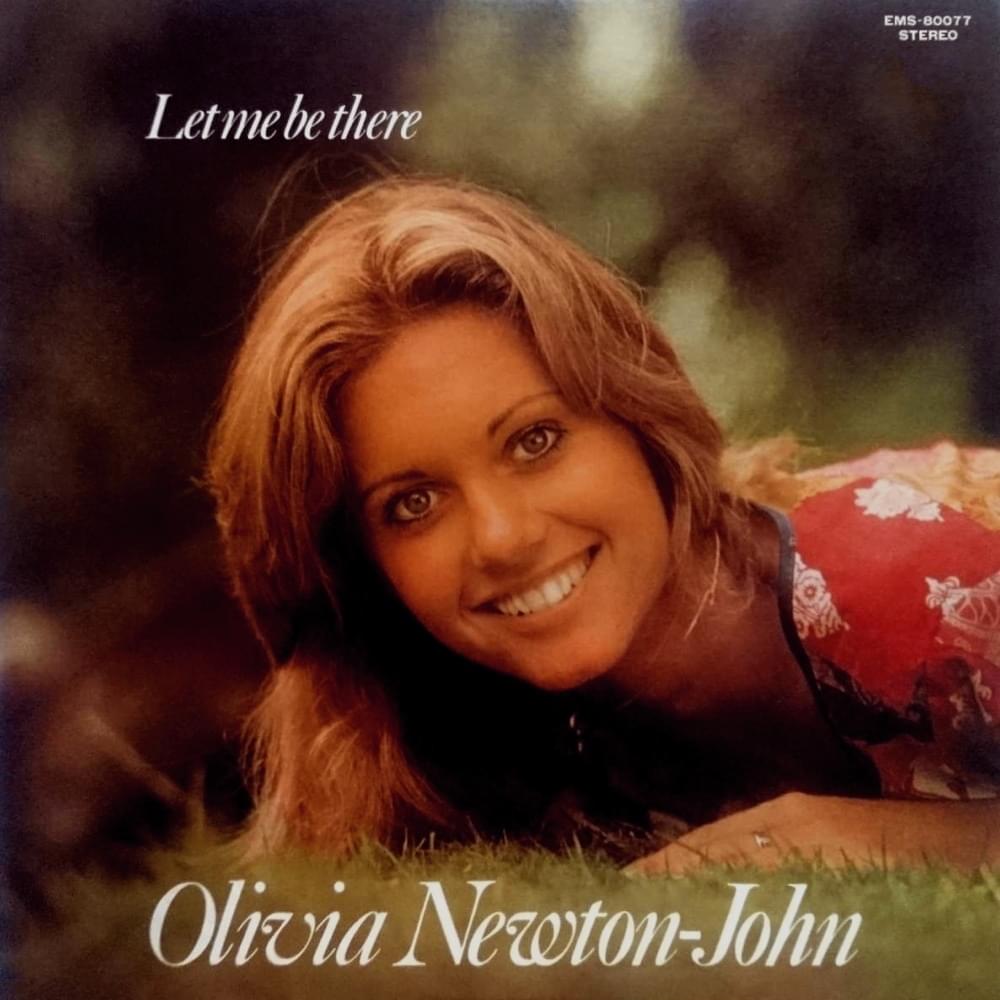
 View Artist