Song Meaning
The lyrics paint a picture of a relationship teetering on the edge, defined by instability and a desperate, perhaps futile, hope. The narrator acknowledges the clear "warning signs" but clings to a vision of a "light," suggesting a belief that the connection might still be salvaged despite the evident problems. This creates an immediate tension between the harsh reality of "turbulence" and a persistent, almost defiant, optimism.
The central conflict seems to be the push and pull between acknowledging the relationship's flaws and the desire to believe in its inherent worth. The narrator questions the other person's actions, asking "why you try so hard to break / What broken love, is left to hate?" This implies a cycle of self-sabotage where the damage is already done, yet the struggle continues. The phrase "call it faith and lie to the truth" captures the narrator's internal debate, suggesting a willingness to embrace delusion over facing a painful reality.
The most striking aspect of the writing is the relentless repetition of "turbulence" and the counterpoint of "I can see the light." This juxtaposition hammers home the core dynamic: constant chaos versus a flicker of hope. The "Drop" section amplifies this, stating "It's too late, we're running on empty" and "We're both wearing masks, masquerading." These lines reveal a deeper awareness of the performative nature of their interaction, suggesting the "turbulence" isn't just external but a product of their own inauthenticity.
Ultimately, the effectiveness of these lyrics lies in their raw portrayal of a relationship caught in a destructive loop. The repeated "turbulence" becomes an auditory representation of the emotional whiplash, while the fleeting "light" offers a poignant, if possibly false, beacon. The admission of "running on empty" and "masquerading" grounds the abstract concept of turbulence in concrete, relatable feelings of exhaustion and pretense, making the struggle feel both specific and deeply felt.
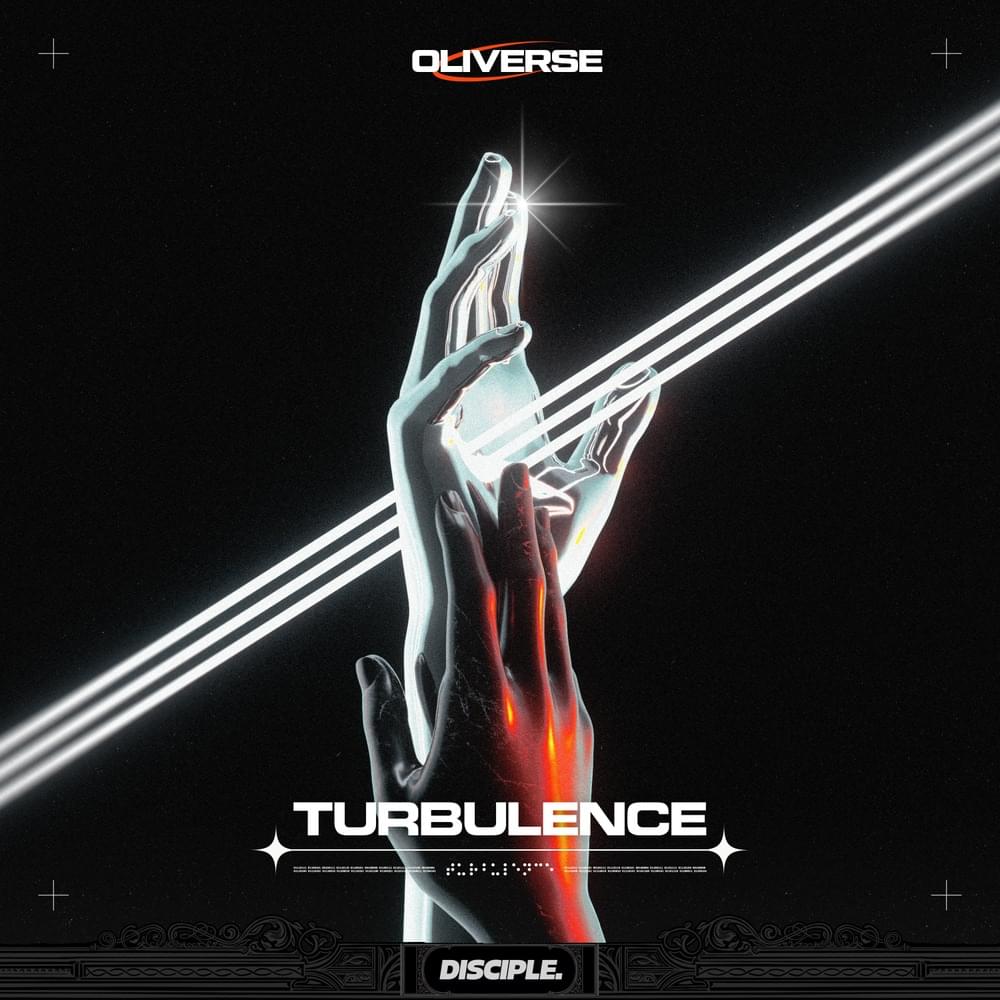
 View Artist