Song Meaning
The lyrics paint a vivid picture of a shared moment by the sea, beginning with a tender awakening at dawn. The repetition of "Dženi" and the imagery of "more" (sea) and "zore" (dawn) establish a serene, intimate atmosphere. The direct address to "Dženi" and the Italian phrase "Amore mio, io ti amo" – whispered first in beauty and then again with a tremor – suggest a deep, perhaps fleeting, romantic connection. The scene is one of profound beauty and affection, captured in the quiet transition from night to day.
The emotional core shifts from the initial peaceful intimacy to a profound sense of loss and longing. The sea that once "probudilo nas" (woke us) later "i plakalo je" (cried), mirroring the narrator's sorrow. This mirroring suggests the natural world is reflecting the narrator's internal state, emphasizing the depth of their grief. The second dawn, described as the "zadnje zore" (last dawn), marks a definitive end to the shared experience, intensifying the feeling of absence.
The most striking aspect is the contrast between the shared, beautiful past and the solitary, aching present. The narrator's current state is defined by "čežnjo" (longing) and the desperate desire to "ljubim / Niježno, niježno, niježno" (kiss / Tenderly, tenderly, tenderly). The triple repetition of "nježno" underscores the intensity and purity of the affection that is now only a memory, highlighting the painful gap between what was and what is.
This lyrical structure effectively conveys the devastating impact of separation. The initial idyllic scene makes the subsequent sorrow all the more poignant. The simple, direct language, combined with the powerful natural imagery and the intimate Italian declaration of love, creates a raw emotional landscape. The ending, focused solely on the narrator's yearning, leaves the listener with a powerful sense of unfulfilled desire and the enduring pain of absence.
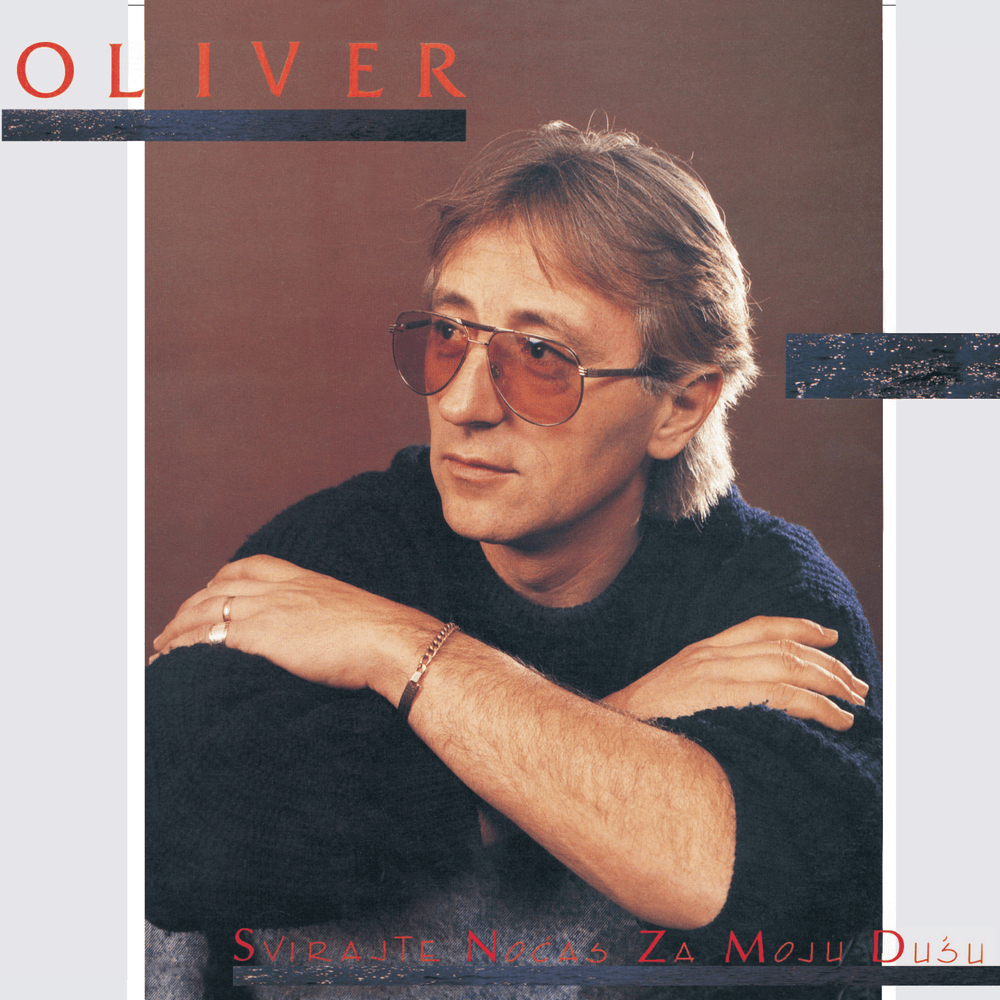
 View Artist