Song Meaning
{"song_id": 14863112, "meaning": "Olga Tañón's \"Cómo Pude Haber Vivido Sin Ti\" isn't just a love song; it's an anthem of bewildered gratitude. The initial lines, pondering \"casualidad o algún poder mental\" immediately establish the disbelieving tone. This isn't a story of gradual affection, but a sudden, almost supernatural arrival of a soulmate. The singer grapples with the sheer improbability of their existence, questioning to whom she owes this 'miracle.' It's a feeling many can relate to: the shock of finding something—or someone—you didn't even realize you were missing. The lyrics dance around the idea of pre-ordained destiny, heightened by the almost incredulous repetition of the central question. The song’s core meaning revolves around the profound shift in perspective that true love can bring, rendering the past—lived 'sin ti'—almost incomprehensible.
The emotional core of the song lies in the stark contrast between a previously incomplete existence and the overwhelming joy of newfound love. The line \"en mi diario escribirías toda mi felicidad\" suggests a life transformed from mundane routine to a vibrant, shared narrative. It speaks to the powerful intimacy of allowing someone to not only witness your life but to actively co-author your happiness. The almost frantic promise, \"Pondré todo de mi parte / No quiero equivocarme,\" reveals the vulnerability beneath the bravado, highlighting the fear of losing something so unexpectedly precious. This isn't just about romantic love; it taps into the universal human desire for completion and the terror of its potential loss.
The repetition of \"Cómo pude haber vivido sin ti\" transcends simple romantic longing. It's a philosophical question, a meditation on the nature of happiness and the transformative power of human connection. Tañón’s delivery amplifies the bewilderment, transforming a simple question into a profound statement about the human condition. The song’s meaning ultimately rests on the idea that some loves are so fundamental, so deeply intertwined with our sense of self, that imagining life before them becomes an impossible, almost absurd, exercise."}
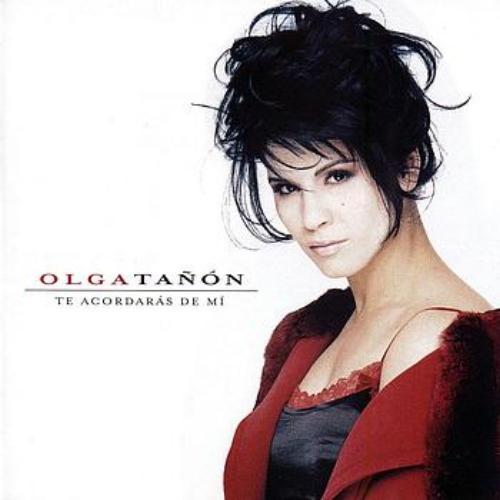
 View Artist