Song Meaning
The lyrics paint a picture of intense anticipation and the transformative power of a potential encounter. The repeated phrase "Tik viena doma prātā man" (Only one thought in my mind) immediately establishes a singular focus, a deep yearning for someone. This isn't just casual thinking; it's an all-consuming preoccupation, hinting at a significant emotional investment.
The arrival of this person, or even the thought of it, is described as a "tikšanās jau sirdī skan" (the meeting already sounds in the heart), a moment that is both "svinīgi" (solemn/festive) and "nomierina" (calming). This juxtaposition suggests that the anticipation itself brings a sense of peace, a sacredness to the possibility of connection. It’s as if the mere idea of meeting is a ritual that soothes the narrator's soul.
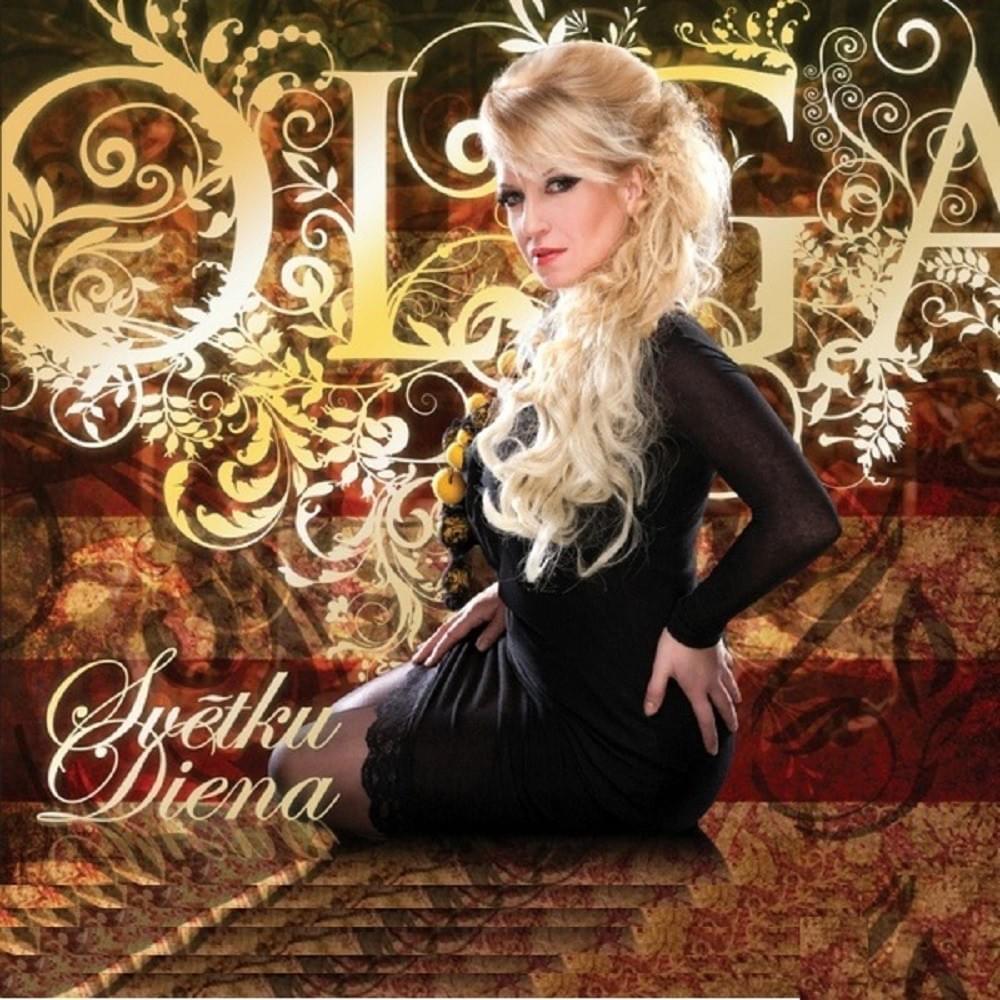
The core of the emotional experience lies in the narrator's reaction to the other person's presence. When the person walks by, it's a "svētku diena" (holiday/feast day) – a profound elevation of the ordinary. Even more striking is the comparison to a flower blooming when the person approaches, and blushing like a young girl when spoken to. These vivid images, "uzplaukstu līdzīgi kā puķe" (I bloom like a flower) and "nosarkstu kā mazgadīga skuķe" (I blush like a young girl), capture a sense of innocent, almost overwhelming joy and shy vulnerability.
This lyrical construction effectively conveys the sheer impact of another person on the narrator's emotional landscape. The constant repetition of key phrases emphasizes the depth of this feeling, while the simple, yet potent, imagery of blooming and blushing makes the internal experience incredibly tangible. It’s a raw depiction of how a single individual can turn a regular day into something extraordinary, a personal celebration.