Song Meaning
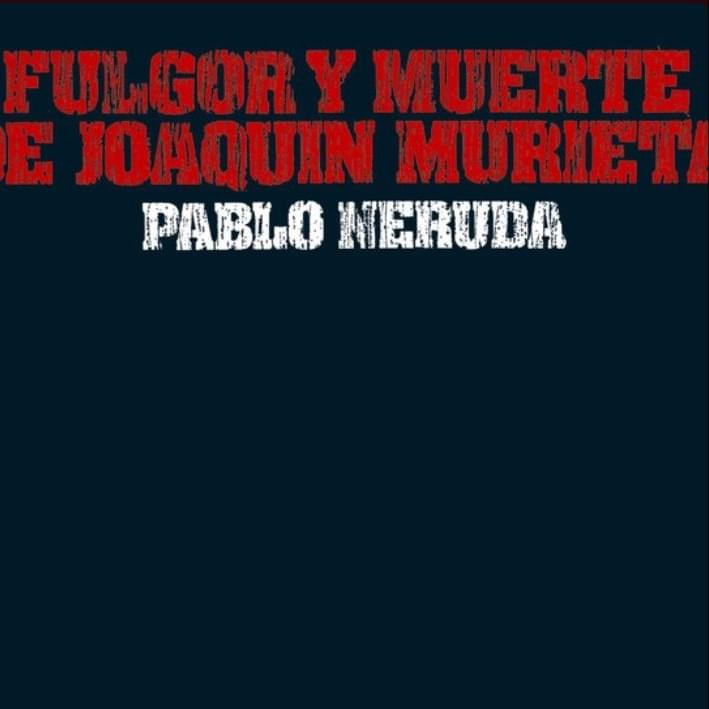
The lyrics immediately plunge into a search for a mysterious, daring rider, an "atrevido jinete" driven by vengeance. There's a palpable sense of urgency and a past wrong that demands retribution, hinted at by the repeated questions of his whereabouts. This figure is a "solitario insurgente," a lone wolf on a mission.
The core tension lies in this solitary figure's mission: to avenge his people. The lyrics paint a picture of a past tragedy, with the very "arena Que trago la sangre" of the unfortunate urging him forward. This isn't just personal; it's a collective wound demanding a response, a historical injustice etched into the landscape itself.
The personification of nature is particularly striking. Both the sand, stained by past blood, and the moon, a silent witness, actively "tell" the rider to "Galopa... Galopa..." This elevates the act of vengeance beyond human will, making it feel like a primal, almost fated response. The rider becomes an extension of the land's memory and the night's resolve.
The power of these lyrics comes from how they forge a mythic figure out of profound pain. The rider is described as a "rayo," both a horse and a bolt of lightning, moving with unwavering certainty. Stripped of conventional identity — "Sin bandera, sin ley, ni destino" — his only guide is an "dolor asesino," a killer pain that makes his nocturnal, distant Chilean identity a vessel for relentless, justified fury. The repeated "Galopa" becomes a heartbeat, a relentless march towards an inevitable reckoning.
 View Artist