Song Meaning
Oleta Adams’s "You've Got to Give Me Room" isn't just a plea; it's a carefully articulated demand for autonomy, steeped in the bittersweet realization that love, even profound love, can become a gilded cage. The song meaning revolves around a woman's awakening, a moment of clarity as she stares into the mirror and recognizes the suffocating weight of expectations. It's not that the love has vanished entirely – she confesses, "I can't say that I don't love you" – but rather that it has ossified, failing to nurture her evolving sense of self. The lyrics are less about rejecting a partner and more about a desperate need to reclaim personal space. The "room" she craves is not just physical, but psychological and emotional, a space to breathe and grow beyond the confines of a relationship that once defined her.
Adams keenly touches on the inherent power dynamics within long-term relationships, particularly the societal expectations placed upon women. The line, "I'm more than a wife I am woman / Going through a phase," is a direct challenge to the limiting roles she feels forced to inhabit. It's a declaration of independence, a refusal to be solely defined by her marital status. This isn't a sudden whim, but a gradual, painful realization that her personal aspirations are being stifled. The repeated insistence, "You've got to give me room," underscores the urgency of her situation; it's not a request for permission, but a statement of necessity for her own well-being. The lyrics hint at a partner who is resistant to change, unable to grasp her evolving needs, thereby amplifying her sense of isolation.
Ultimately, "You've Got to Give Me Room" resonates because it taps into the universal human need for self-actualization. It's a song about the courage to confront uncomfortable truths, to prioritize personal growth even when it means disrupting established patterns. The underlying tension between love and self-discovery is what gives the song its emotional weight. It's a sophisticated exploration of how relationships can both nurture and constrain, and the difficult choices individuals must make to honor their authentic selves. The song serves as a poignant reminder that love, without room to breathe, can inadvertently become a form of imprisonment.
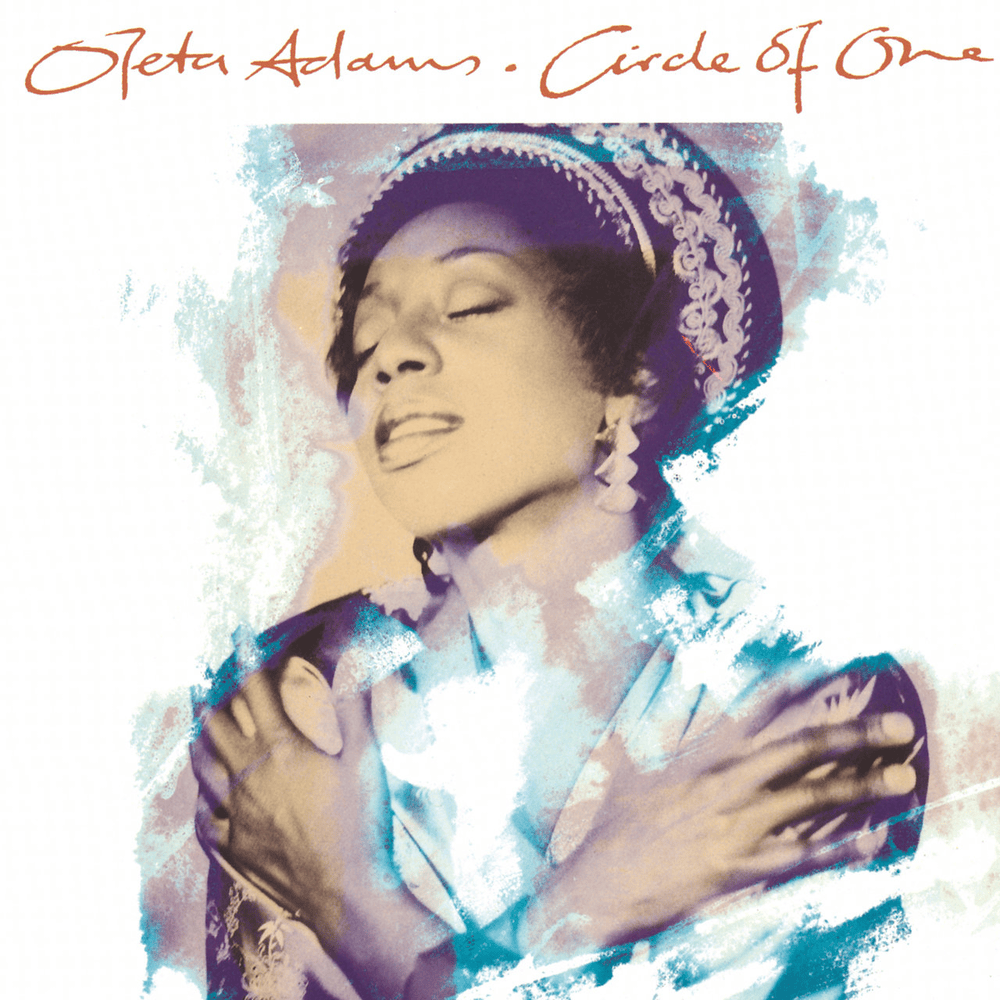
 View Artist