Song Meaning
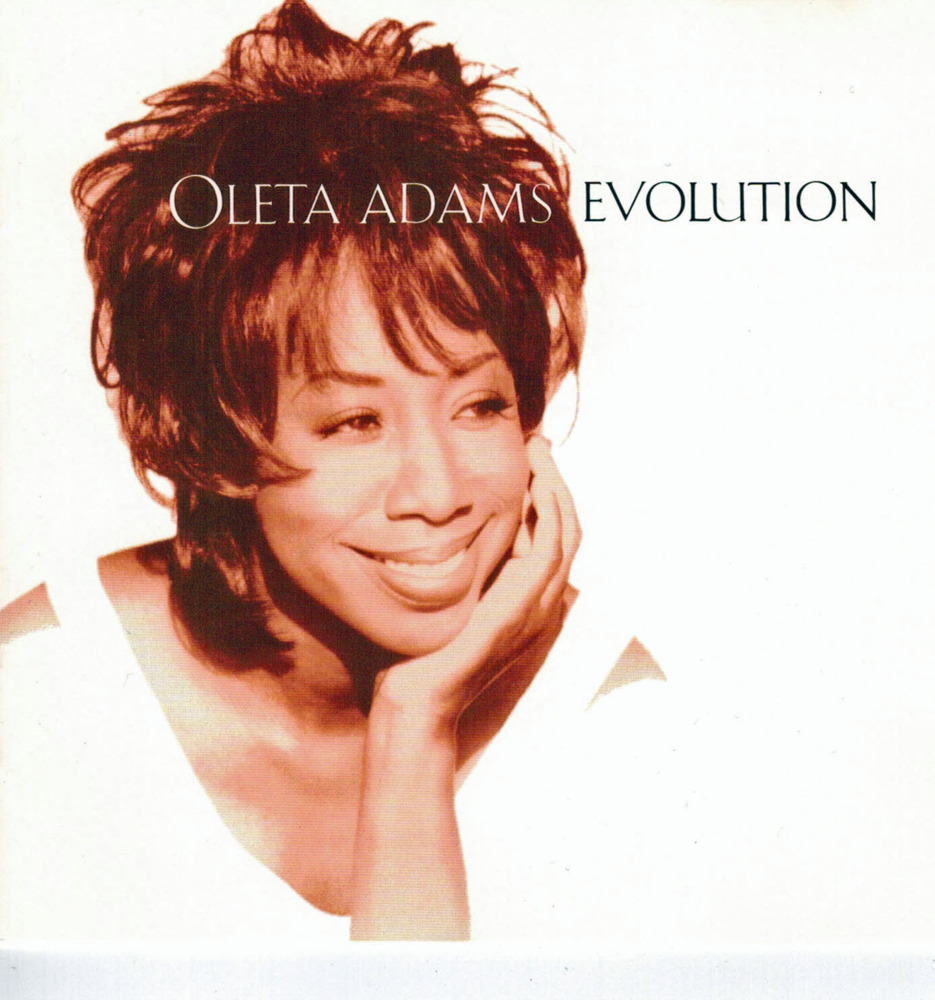
Oleta Adams's "Hold Me for a While" isn't a plea for fleeting romance; it's a starkly honest portrait of vulnerability cloaked in elegant simplicity. The lyrics cut through the noise of grand gestures and empty promises, landing instead on the primal need for comfort and security. The opening lines establish a weariness, a sense of being worn down by "listless days" and insecurity. It's in these moments of quiet desperation that Adams's narrator seeks solace, not in passionate declarations, but in the simple act of being held. It's a yearning for a safe harbor, a temporary reprieve from the relentless storms of life. This song's meaning resides in its profound understanding of the human need for non-sexual touch. It's about feeling safe and secure, not about passion.
The song's brilliance lies in its understanding that sometimes, words are insufficient. "Lots of speeches leave us limp and weak," Adams sings, highlighting the futility of empty rhetoric. Instead, she craves a silent connection, a physical presence that can "stop my heart from running wild." The bridge acts as the emotional core, an explicit request for refuge: "Hold me, fold me in your arms / Baby, be my refuge and keep me from the storm." The imagery is potent, evoking a sense of being enveloped and protected.
Adams subverts expectations by explicitly stating, "There is always time for making love / Darling, that's not what I'm in need of." This isn't a rejection of intimacy, but a prioritization of emotional and psychological support. The request to "Help me rest as peaceful as a child" underscores the deep-seated desire for a return to innocence, a moment of respite from adult anxieties. The repetition of "Only if you'll hold me for a while" is not a condition, but a simple, heartfelt expression of need. The song's meaning is not just a desire for touch, but a recognition of the profound healing power of human connection in its purest, most undiluted form. It's an appeal to our fundamental need for safety and acceptance, cutting through superficiality to touch the core of human vulnerability.
 View Artist