Song Meaning
Oleta Adams's rendition of "Everything Must Change" isn't just a song; it's a stark, unflinching confrontation with time's relentless march. The song meaning resides in the acceptance of impermanence, a theme delivered with Adams's signature blend of soulful gravitas and quiet strength. The lyrics themselves operate on a cyclical push-and-pull: the acknowledgment that 'everything must change, nothing stays the same' is tempered by the few constants we can cling to – 'rain comes from the clouds, sun lights up the sky, and hummingbirds do fly.' These natural phenomena become anchors in a sea of transience, offering a fragile sense of stability. It's a paradox, a beautiful and heartbreaking one, that speaks directly to the human condition. We crave permanence, yet we're defined by our capacity to adapt and evolve. The song doesn't offer easy platitudes, but a raw, honest portrayal of life's inherent instability.
The genius of "Everything Must Change" lies in its simplicity. Adams doesn't overwhelm us with complex metaphors or verbose imagery. Instead, she strips the concept of change down to its bare bones, presenting it as an unavoidable truth. The observation that 'the young become the old, and mysteries do unfold' isn't groundbreaking, but it's profoundly resonant. It's a reminder that time doesn't discriminate; it touches us all, shaping us in ways we can't always predict. The 'mysteries' that unfold are the experiences, both joyous and painful, that accumulate over a lifetime, ultimately defining who we are. The sonic landscape, often spare and deliberate, amplifies this sense of vulnerability. It’s a space where the listener is forced to confront their own mortality, their own fleeting existence.
Ultimately, "Everything Must Change" finds solace not in denial, but in acceptance. The repetition of the natural constants—rain, sun, hummingbirds—serves as a mantra, a reminder that even amidst chaos, there are enduring patterns. These images tap into a deep, primal understanding of the natural world, suggesting that change, while difficult, is also part of a larger, more beautiful order. The final line, 'Except the music makes me cry,' is perhaps the most poignant of all. It acknowledges the power of art to evoke emotion, to connect us to something greater than ourselves, and to provide a cathartic release in the face of life's inevitable transformations. It's a tacit understanding between artist and listener: we are not alone in our sorrow, in our acceptance, in our shared human experience. The lyrics analysis reveals a profound meditation on life’s ephemeral nature, delivered with an emotional honesty that transcends mere musicality.
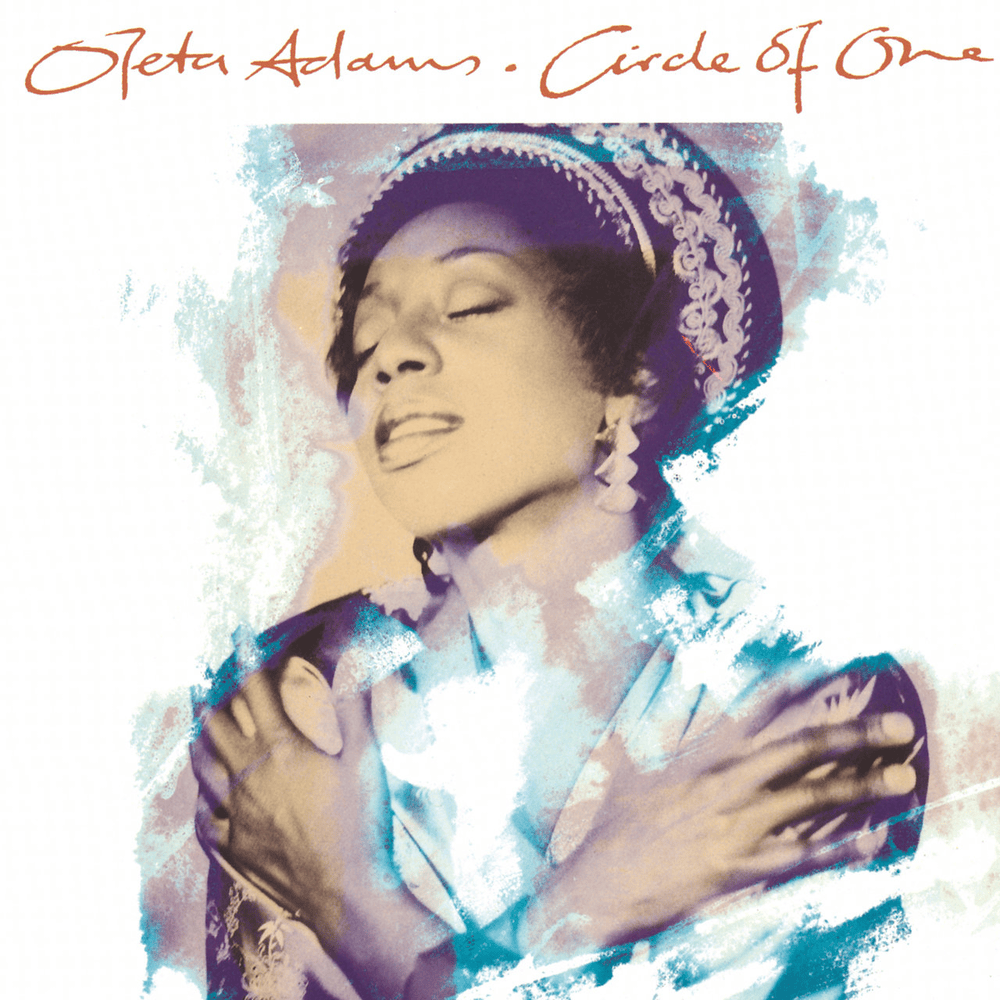
 View Artist