Song Meaning
This track paints a picture of a young narrator who finds his voice and identity through old love songs on the radio. He's a child, a "petiz," yet he feels a deep connection to the emotional core of these tunes, recognizing a "coração no que se diz" and the "alma portuguesa de o dizer." This early immersion in music becomes the foundation of his self-perception, shaping his dreams and his nascent understanding of life's complexities.
The central tension arises from this juxtaposition of youth and profound emotional resonance. The narrator acknowledges his immaturity – "Não tenho idade até p'rás entender" – but simultaneously claims an innate grasp of the feelings embedded in the music. He's not just passively listening; he's actively internalizing these songs, seeing them as a blueprint for his own future and a connection to his grandmother's memories. This creates a sense of a soul that's older than his years, finding solace and purpose in the echoes of past expressions of love.
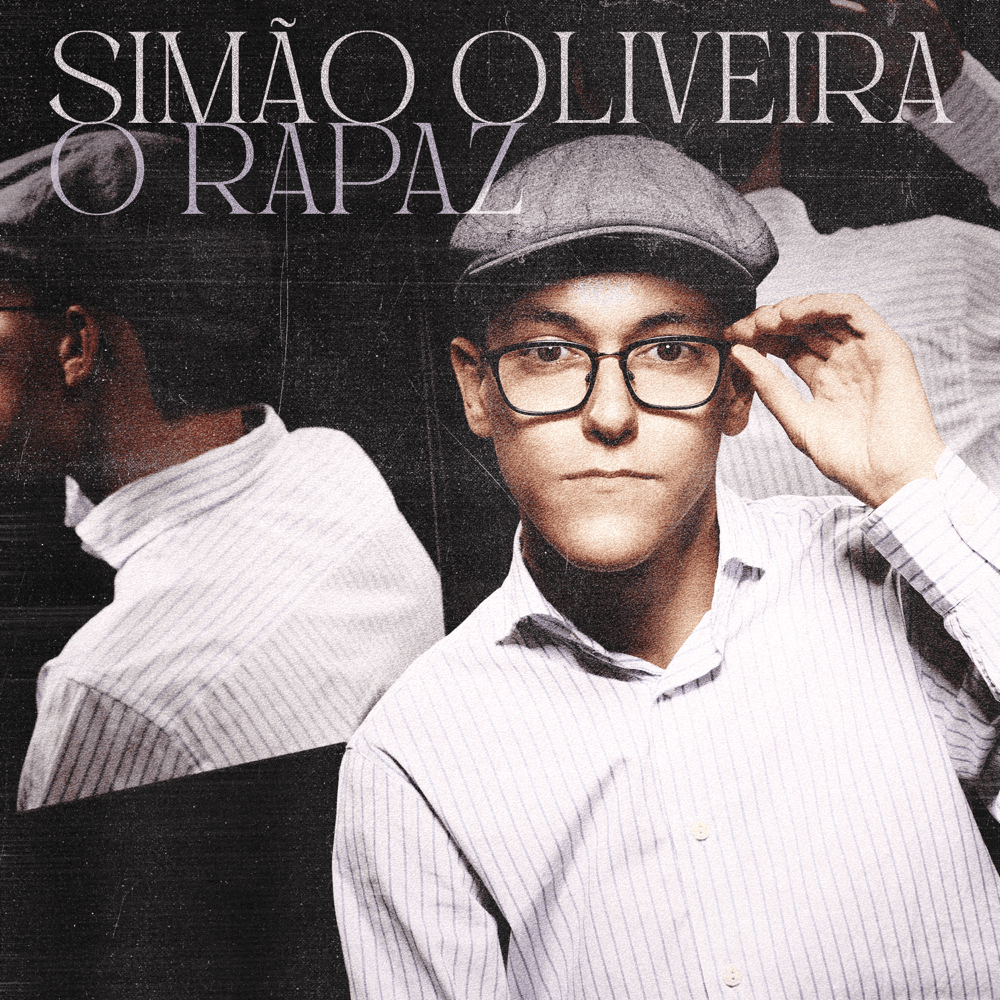
The lyrics masterfully employ the idea of being "made" by the music. The repeated refrain, "Fizeram de mim / Tudo o que sonhei," highlights how these songs have sculpted his aspirations and his very sense of self. He's "o rapaz que se fez cantor / Num rádio a tocar," a self-actualization driven by external artistic input. The bridge introduces a fascinating temporal duality: "Vivo dias de hoje / Mas sou de outro tempo." This suggests a feeling of being out of sync with the present, a sensibility rooted in the timeless themes of the love songs that define him, linking his present to a past he's only experienced through melody and verse.
Ultimately, the effectiveness of these lyrics lies in their simple yet potent portrayal of how art can forge identity. The narrator's journey is one of self-discovery through imitation and emotional absorption. The repetition of "Tudo o que cantei" in the outro reinforces the idea that his future, his growth, and his own eventual expression of love will be intrinsically tied to the songs that first gave him his voice. It’s a tender, introspective look at how music can become the very language of one's soul.
 View Artist