Song Meaning
The lyrics paint a picture of someone grappling with a persistent, unfulfilled desire, initially paralyzed by it. There's a sense of regret for not facing this "thing I can't give up" sooner, leading to a feeling of being stuck. The narrator seems to be at a crossroads, contemplating a final act or acceptance, wondering if facing it head-on would have prevented past mistakes. The imagery of a "clear place" and "shadow of a bird flying to the sky" suggests a moment of clarity or a yearning for freedom amidst this internal struggle.
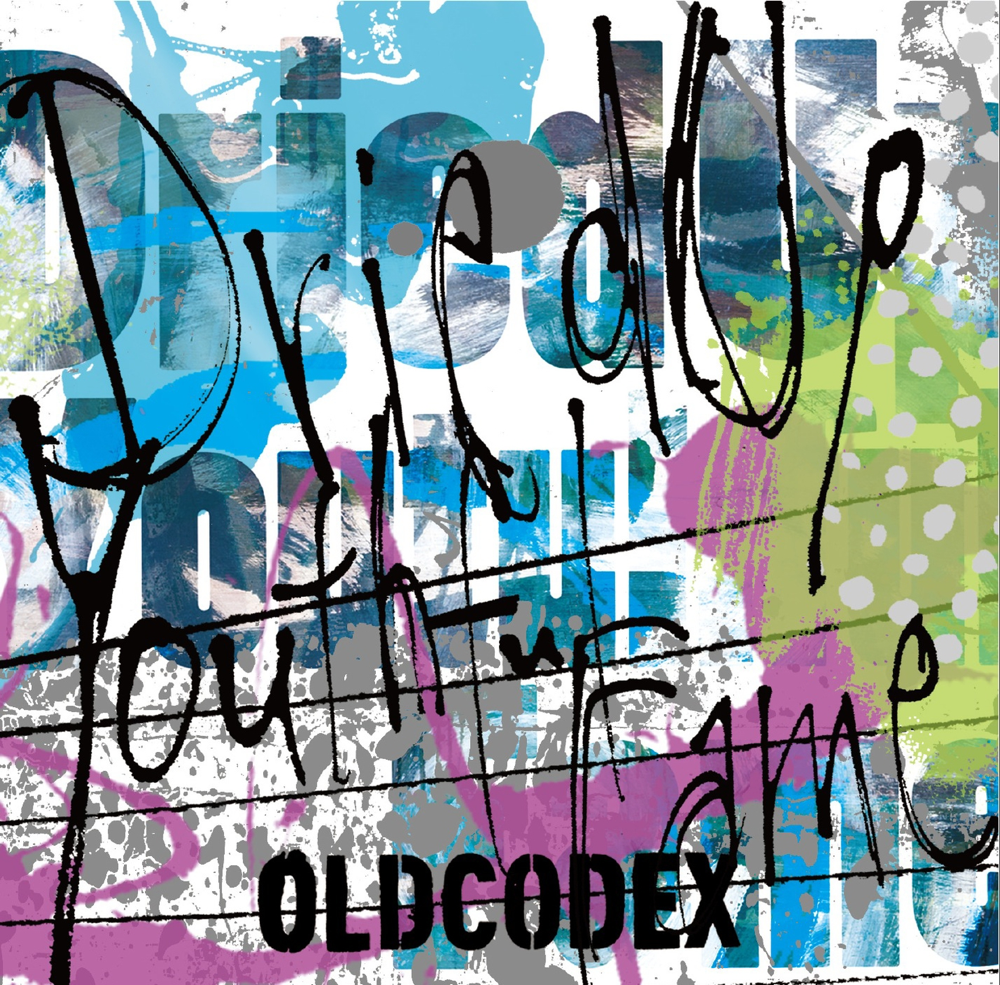
The core tension lies between the desire to hold onto something precious and the fear of its inevitable fading, especially in the context of "youthful fame." The narrator acknowledges that "in the shining days, we confirm the dried colors," implying a loss of vibrancy or essence as time passes. This leads to a leap of faith into "a sign of slight hope" towards a future that is still uncertain, a stark contrast to the present state of "dried up" aspirations.
A striking element is the blend of Japanese and English, creating a dynamic where internal reflection meets external pronouncements. Phrases like "Stay cool" and "He'll be fine, I'll be alright too" offer a veneer of confidence, but this is undercut by the internal counting of "yes or no" and the "shadows faintly disappearing." The line "It's easy thing for you to say with your lock" hints at an external perspective that doesn't fully grasp the narrator's internal conflict or the difficulty of their situation, suggesting a disconnect.
Ultimately, the lyrics resonate because they capture the bittersweet experience of confronting the past and the fear of fading potential. The act of "opening each other's doors" and being "dyed by the dry wind" suggests a collective, perhaps shared, journey towards accepting change and finding new direction. The final realization that "the thing I can't give up is the crystal of time that ran through" reframes the unfulfilled desire not as a failure, but as an integral part of the narrator's lived experience, a testament to the path taken.
 View Artist