Song Meaning
The lyrics grapple with the fundamental question of human suffering, framing it as a potentially inherent part of existence, possibly even a divine plan or a consequence of free will. The narrator directly questions the purpose behind our struggles, asking "Tell me why we suffer" twice, immediately establishing a tone of bewildered frustration. This opening sets up a search for meaning in a seemingly chaotic or predetermined reality, hinting that perhaps our pain is a price for something greater, like "jewels on our crowns in heaven."
The central tension arises from the perceived injustice of life's burdens versus the passive acceptance demanded by authority figures. The narrator observes that "They get our time and money and our children's too," while the common person is left with "boring lives." This stark contrast fuels a growing suspicion that the established order exploits individuals, leaving them with little agency. The act of "killing time" becomes a metaphor for this unfulfilled existence, a state of waiting or going through the motions without genuine purpose or freedom.
The most striking aspect is the direct challenge to blind faith and external control. The lyrics suggest that questioning the divine or the powers that be is itself a transgression, "a crime / To ask what's on his mind." This implies a system designed to discourage critical thought, where obedience is valued over understanding. The narrator's eventual realization, "Do your own thinking and living, it ain't killing time," offers a powerful counter-narrative, advocating for self-determination as the antidote to a life spent merely "killing time."
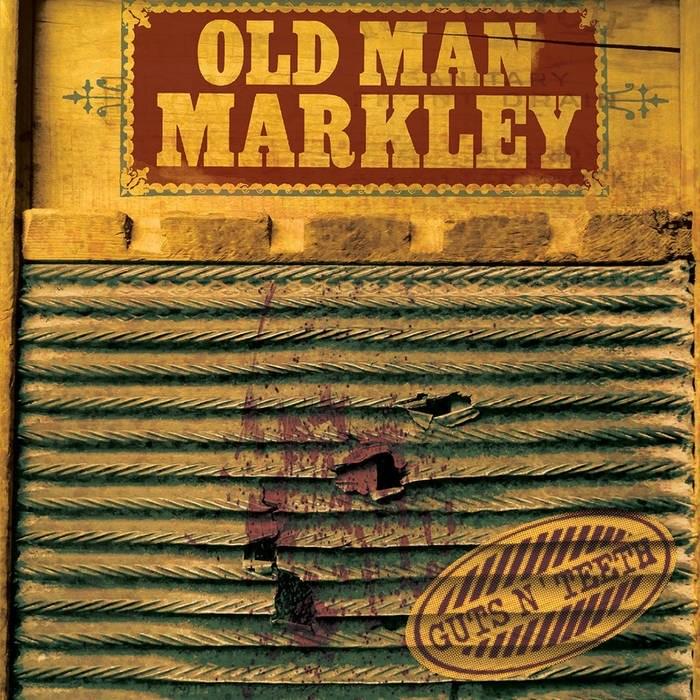
 View Artist