Song Meaning
The lyrics paint a vivid picture of resentment and a deep sense of injustice, focusing on a narrator who feels overlooked and supplanted. The immediate emotional texture is one of bitter envy, directed at a "new kid" who seems to possess everything the narrator believes they deserve – money, status, and even a former love interest. This "new kid" is characterized by wealth and superficial charm, yet is also described as untrustworthy, highlighting the narrator's perception of a fundamentally unfair system. The narrator feels robbed of their rightful place, lamenting that "justice no one knows where it went."
The central tension arises from the narrator's perceived lack of reward for their own efforts and perceived goodness, contrasted with the undeserved success of the newcomer. They express a commitment to "toil away / Until my judgment day," clinging to the belief that they will eventually be "rewarded for the good things I did." This hope is constantly undermined by the arrival of successive "new kids," each one taking what the narrator feels is theirs. The recurring phrase "You will be replaced" reveals a cyclical, almost predatory, dynamic where the current holder of status is always vulnerable to the next arrival.
What's particularly striking is the narrator's projection of their own past identity onto the current situation. They declare, "Don't you see I used to be the new kid," a poignant realization that frames their current bitterness as a reflection of a past cycle they themselves participated in. This self-awareness, however, doesn't lead to empathy but rather fuels a desire for the current "new kid" to experience the same displacement they are now enduring. The imagery of "dark stars above" in the second verse further emphasizes a feeling of cosmic unfairness, suggesting that fate, rather than merit, dictates outcomes.
Ultimately, these lyrics resonate because they tap into a universal feeling of being stuck while others seemingly leapfrog ahead, and the complex emotions that arise from that experience. The narrator's blend of self-pity, righteous anger, and a desperate hope for vindication, coupled with the sharp, almost childishly direct observations about who has what, creates a raw and relatable portrait of envy. The cyclical nature of the "new kid" theme, and the narrator's own past role in it, adds a layer of tragic irony, making their current predicament feel both self-inflicted and externally imposed.
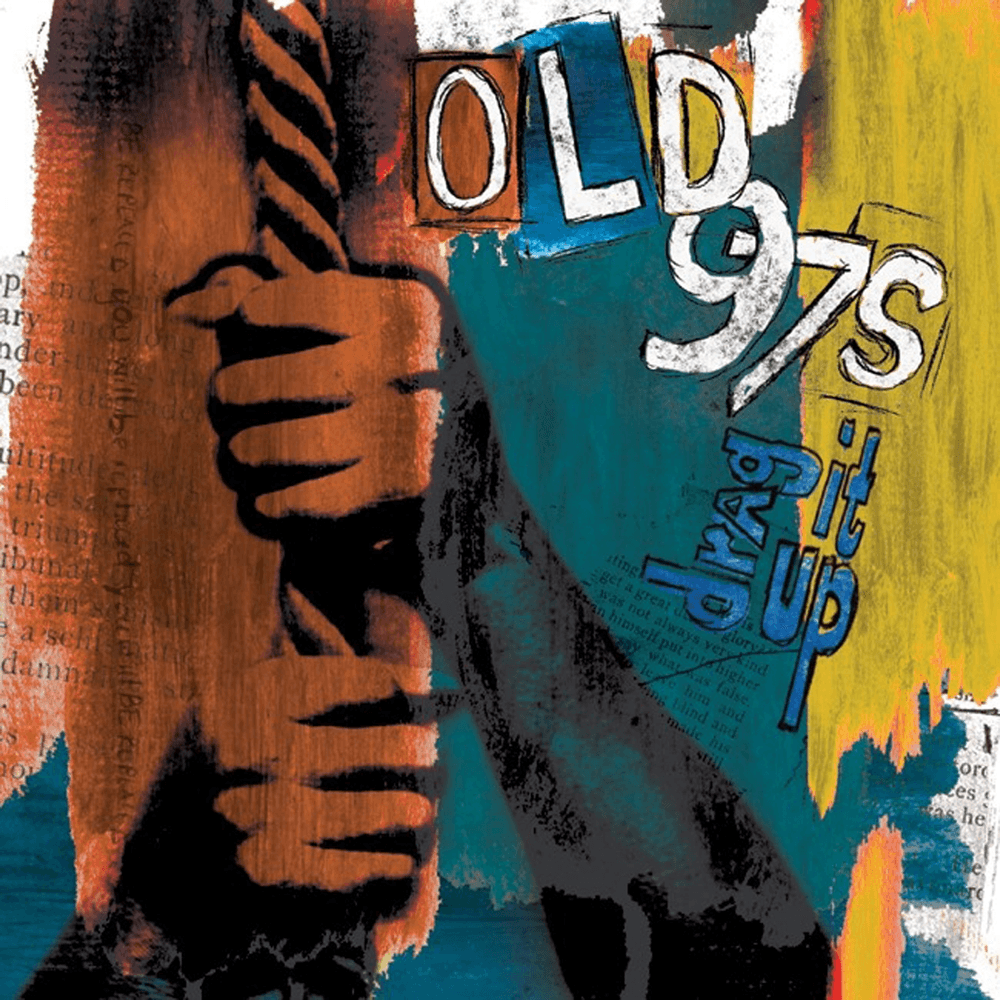
 View Artist