Song Meaning
Olavi Uusivirta's "Niin kuin eilenkin" is a poignant meditation on stagnation, the passage of time, and the bittersweet ache of watching someone you care about move forward while you remain tethered to the past. The song opens with a detached observation of city life, likening people to ants building highways, a metaphor that immediately establishes a sense of disconnect and existential questioning. This feeling of being adrift is compounded by the admission that the narrator sees someone as a 'sister,' granting them permission to explore the world while he remains behind, 'looking at the window.' This isn't necessarily resentment, but a recognition of divergent paths and a quiet resignation to his own inertia. The core of the song's meaning resides in the recurring line, 'Ja sinä olet niin kuin eilenkin' ('And you are just like yesterday'). This phrase encapsulates the narrator's stuckness, as if time has frozen, leaving him surrounded by familiar images and illusions ('kuvina ja silmienlumeina'). The shadow puppets of dinosaurs and crocodiles evoke a childlike sense of wonder, but also hint at a regression, a retreat into a simpler, less demanding past. The slowed-down clocks symbolize a distorted perception of time, where the present feels indistinguishable from yesterday.
Uusivirta doesn't shy away from self-awareness. The narrator questions the value of his artistic pursuits ('Mitä mä lauluja kirjoitan / Mun pitäis tehdä oikeita töitä'), revealing a deep-seated insecurity about his life choices. This is further amplified by the fear of death, not as an abstract concept, but as a consequence of not truly living ('Mitä mä pelkään kuolemaa / Kun elämää en oo vielä nähnytkään'). The lyrics analysis suggests a profound sense of unfulfilled potential and a longing for genuine experience. The repetition of the chorus reinforces this cyclical feeling, trapping the narrator in a loop of nostalgia and regret.
Ultimately, "Niin kuin eilenkin" isn't a celebration of the past, but a lament for a present that feels stagnant and a future that seems uncertain. It's a song about the anxieties of adulthood, the fear of being left behind, and the struggle to find meaning in a world that often feels overwhelming. Through vivid imagery and introspective lyrics, Olavi Uusivirta creates a powerful and relatable portrait of a man grappling with his own sense of displacement and the elusive nature of time.
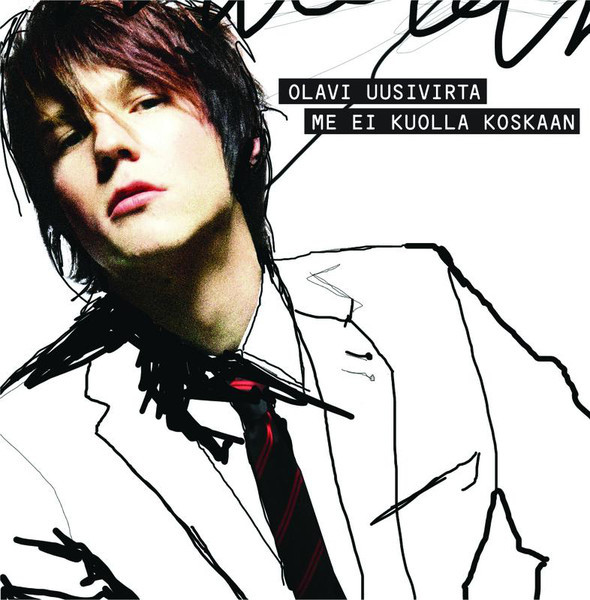
 View Artist