Song Meaning
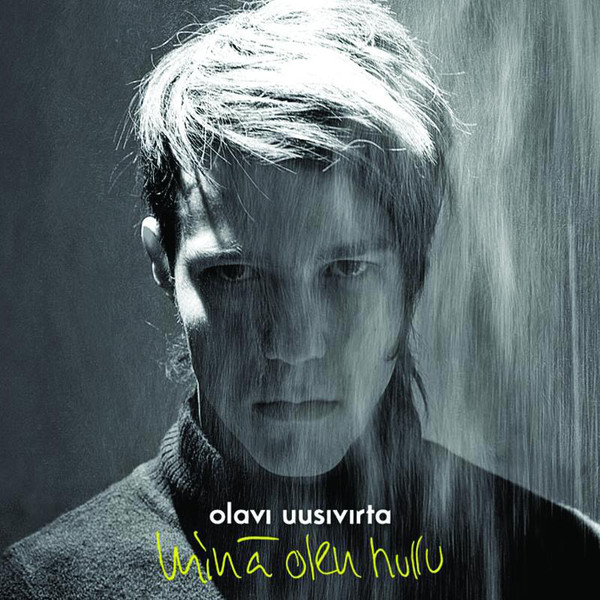
Olavi Uusivirta's "Minä olen hullu" (I Am Crazy) is a raw, almost primal scream against the backdrop of societal norms and perceived madness. The opening lines, "Lika on ainetta väärässä paikassa / Minä olen likaa" (Dirt is matter in the wrong place / I am dirt), immediately establish a theme of alienation and self-deprecation. Uusivirta isn't just singing about feeling like an outsider; he's embodying the very concept of impurity, of something inherently out of place. This feeling is amplified by the clinical setting introduced with "Tohtori tutkii mun aivokäyrää / Onko siinä vikaa?" (The doctor examines my brainwave / Is there something wrong?). The clinical examination suggests a search for a definable, medical reason for his divergence, a quest to locate the 'fault' within his brain. But the core of the song meaning lies in the chorus.
The central question, "Joko minä olen hullu / Tai kaikki muut ovat hulluja" (Either I am crazy / Or everyone else is crazy), isn't a simple either/or proposition. It's a challenge to the listener to consider the subjective nature of sanity itself. Who defines what is 'normal,' and what gives them that authority? The nonsense syllables – "Zäbä däbä däbä däbä däbä däbä dää" and "Ihan sama ihan kiva hähhähhähhähhää" – further dismantle any pretense of rational discourse, descending into a chaotic, almost gleeful embrace of absurdity. It's as if Uusivirta is mocking the very idea of a logical explanation for his feelings, finding liberation in the rejection of societal expectations.
The repetition of "Lika on ainetta väärässä paikassa" and the extension of this feeling to another person ("Sinä olet likaa" - You are dirt) suggests a shared experience of alienation. It's not just about individual madness but about finding solidarity in the margins. The nonsensical vocalizations that follow feel like a form of catharsis, a way to release the tension built up by societal pressure. In essence, "Minä olen hullu" is a defiant anthem for anyone who has ever felt like they didn't fit in, a celebration of the beautiful, messy, and sometimes illogical reality of being human. The song lyrics analysis reveals a deeper questioning of societal constructs and a powerful embrace of individuality.
 View Artist