Song Meaning
The lyrics paint a picture of profound disillusionment, where a pervasive sense of disaster seems to be the only constant truth. The narrator grapples with a mood drained by the "climbing of sources," suggesting a futile search for meaning or solace that ultimately proves empty. This initial state of bleakness is punctuated by a recurring discovery: "When I found blue."
This discovery of "blue" acts as a pivot point, shifting the narrative from pure disaster to something that is "pure" and "untrue." The contrast between "disastrous" and "pure" highlights a complex emotional state, where the perceived purity might be a coping mechanism or a temporary escape from harsh realities. The "floating ghost of numbers" and the "sheen come off the specter's wrist" evoke a sense of detachment from a former, perhaps more tangible, source of pain or illusion.
The repeated phrase "When I found blue" becomes an anchor, a moment of clarity or perhaps a new emotional landscape. The narrator seems to be actively working through a "stinging feeling," cutting through the past to "feed the new age." This suggests a deliberate process of confronting and processing difficult emotions, even if it means revisiting pain to understand it. The overwhelming repetition of "the blue" at the end emphasizes its central importance, solidifying it as the core emotional experience or realization.
The effectiveness of these lyrics lies in their abstract yet potent emotional resonance. The narrator’s struggle with "consternation" and "a thousand nights of knives" is distilled into the simple, evocative color blue. This deliberate ambiguity allows listeners to project their own experiences of finding a new perspective, whether it’s through sadness, calm, or a profound shift in understanding, onto the narrator's journey.
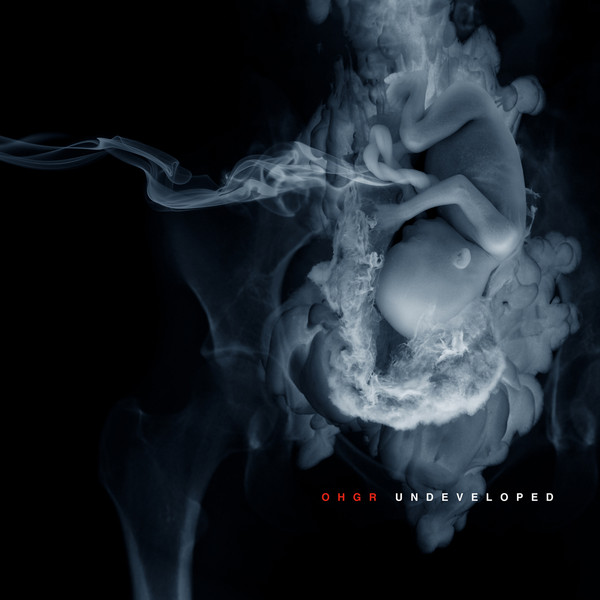
 View Artist