Song Meaning
The lyrics paint a stark picture of aging and the fear of abandonment. The opening Arabic phrases, while not directly translatable in context, set a somber, perhaps pleading tone that contrasts with the direct English plea. The core of the song is a desperate request not to be left behind as physical and mental faculties decline. It’s a raw expression of vulnerability in the face of inevitable decay.
The central tension lies in the narrator's awareness of their impending decline versus their profound fear of being left alone. Phrases like "When I start to fade" and "When my mind's unmade" directly articulate this fear. The repetition of "Don't forsake me" and "Don't cast me away" amplifies the urgency and desperation, highlighting the deep-seated need for companionship and care even when one is no longer at their best.
The most striking aspect is the stark, almost clinical description of decline: "my mind's unmade" and "my strength has ebbed." These aren't poetic metaphors but direct statements of loss. The contrast between the narrator's past life, which will become "haze and spark," and the present plea for connection is powerful. The simple, direct language leaves no room for ambiguity, making the emotional weight of the request even heavier.
This directness is precisely what makes the lyrics hit so hard. There's no sugarcoating the fear of losing oneself or the potential loneliness that comes with it. The repeated, almost mantra-like pleas create a sense of overwhelming anxiety. The narrator isn't asking for grand gestures, just for someone to "Don't ever leave me in the dark," a simple yet profound request born from the terror of fading away alone.
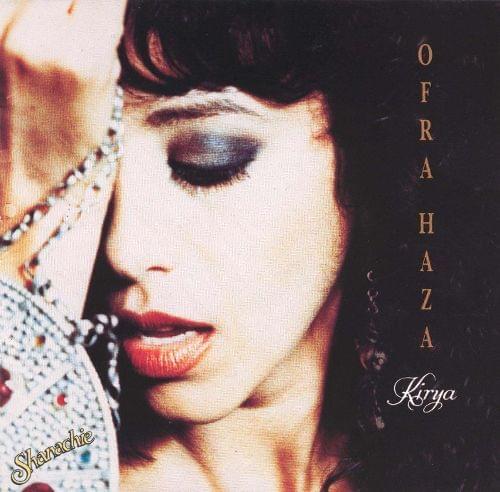
 View Artist