Song Meaning
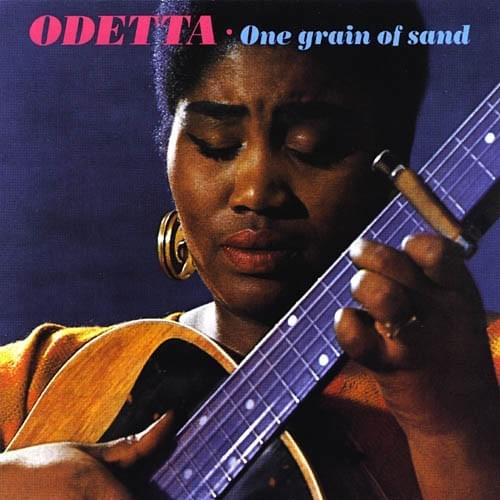
Odetta's rendition of "She Moved Through The Fair" isn't just a folk song; it's a masterclass in understated grief. The deceptive simplicity of the lyrics belies a profound exploration of loss, memory, and the haunting power of love that transcends the physical realm. We begin with a scene seemingly painted with idyllic brushstrokes: parental approval, wedding plans, and a lover's promise. But the second verse subtly fractures this picture. The repetition of "he moved through the fair" takes on a spectral quality, suggesting a detachment, an ethereal wandering already hinting at his absence. The comparison of the narrator to a swan "in the evening" is particularly poignant, evoking a sense of graceful solitude and the quiet melancholy of twilight.
The final verse shatters the illusion entirely. "Last night he came to me" is not a reunion but a visitation. The silence of his footsteps ("his feet made no din") confirms he is no longer of this world. The repetition of the wedding vow becomes a ghostly echo, a painful reminder of what will never be. The genius of the song lies in what it *doesn't* say. We are left to infer the tragedy—an untimely death, a devastating accident—from the subtle shifts in tone and the increasingly dreamlike imagery. The 'fair' itself, traditionally a place of vibrant life and commerce, transforms into a liminal space, a border between the world of the living and the realm of memory.
Ultimately, "She Moved Through The Fair," in Odetta's capable hands, becomes an aching meditation on how love persists even in the face of irrevocable loss. The song's power resides in its ability to evoke the raw, lingering pain of grief without resorting to melodrama. It's a testament to the enduring human capacity to find solace, however fleeting, in the echoes of love's promise, even when that promise is forever deferred. The song meaning isn't just about a lost love, but about the way memories and promises can linger, shaping our present even after the person is gone.
 View Artist