Song Meaning
Odetta's rendition of "Midnight Special" isn't just a folk song; it's a coded cry from the prison yard, a spiritual lifeline thrown into the darkness of systemic oppression. The "dingdong ring" that wakes the prisoner isn't a gentle alarm, but the harsh call to a dehumanizing routine. The "same old things" on the table—knife, fork, and pan—become symbols of enforced conformity, a stark reminder of the control exerted over every aspect of their lives. To speak out, to deviate, is to invite the wrath of "the man," a faceless authority representing the brutal machinery of incarceration. The threat of violence and unjust conviction hangs heavy, particularly for Black men navigating the perils of cities like Houston, where even a misstep can lead to imprisonment. The song subtly indicts a justice system rigged against them.
But within this bleak landscape, the "Midnight Special" shines as a beacon of hope, a mythical train whose light offers solace and the promise of freedom. The chorus, a repeated plea for the light to shine, becomes a mantra, a collective yearning for deliverance. The figure of Miss Rosie, arriving with her "apron and the dress she wore," represents a powerful feminine force, a Black woman unafraid to confront the captain and demand justice. She embodies resilience, love, and the unwavering determination to fight for her man's freedom. Miss Rosie is not merely a visitor; she’s the embodiment of hope and direct action within a system designed to break spirits.
Ultimately, Odetta's "Midnight Special" transcends its simple structure to become a profound statement about hope, resistance, and the enduring power of the human spirit. The singer's impending departure, hinted at in the lines about leaving and ending the "great long song," suggests a release from suffering, whether through escape, death, or the eventual triumph of justice. The song's true meaning lies in its ability to hold both the despair of imprisonment and the unwavering belief in the possibility of liberation, amplified by Odetta’s powerful voice and her commitment to social justice.
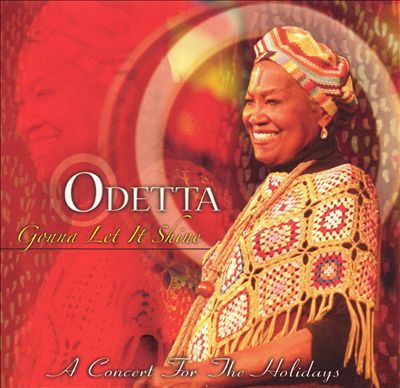
 View Artist