Song Meaning
Odetta's rendition of "Bathsheba & Him" (also known as "John Riley") is more than a simple folk tale; it's a masterclass in emotional resilience and the complex dance between fidelity and forgiveness. The song spins the yarn of a steadfast maiden confronted by a persistent suitor, a narrative framework common in traditional ballads. However, Odetta's interpretation injects a profound psychological depth, transforming the song into an exploration of unwavering commitment in the face of uncertainty. The lyrics paint a picture of a woman who, despite years of absence and the very real possibility of her lover's demise or infidelity, refuses to compromise her devotion. This isn't blind naivete; it's a conscious choice to maintain hope and integrity, even if it means facing potential heartbreak. Her responses to the stranger's hypothetical scenarios reveal a remarkable emotional maturity.
The true genius of "Bathsheba & Him" lies in its portrayal of love as an active, rather than passive, force. The woman doesn't merely wait; she actively chooses to honor her commitment, even extending well-wishes to her absent lover should he find happiness elsewhere. This selfless stance speaks volumes about her character and the depth of her affection. It suggests a love rooted not in possession or expectation, but in a genuine desire for the other person's well-being. The song's deceptive simplicity belies its profound message: that true love transcends physical presence and endures even in the face of the unknown. It's a testament to the power of hope, the strength of the human spirit, and the enduring allure of unwavering devotion.
When the suitor reveals himself to be the long-lost John Riley, the resolution isn't just a happy ending; it's a validation of the woman's unwavering faith. It reinforces the idea that steadfastness and integrity can ultimately triumph. Odetta's soulful delivery adds another layer of emotional weight, transforming the song into a powerful meditation on the nature of love, loss, and the enduring human capacity for hope. The song, at its core, offers a potent message about the transformative power of commitment and the resilience of the human heart. It's a classic folk ballad elevated to an art form through Odetta's insightful interpretation.
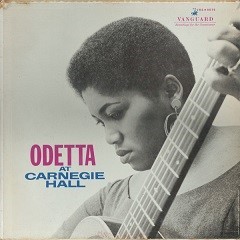
 View Artist